Are you an Irvine or Anaheim homeowner excited to join the electric vehicle revolution? Do you dream of the convenience of charging your EV right in your garage? Before you plug in your new charger, be warned: a single, critical misstep could turn your dream into a costly nightmare, potentially compromising your home’s safety and emptying your wallet. This isn’t just about plugging in an appliance; it’s about integrating powerful new technology safely into your home’s electrical system.
The Promise of Home EV Charging in Irvine and Anaheim
The transition to electric vehicles is accelerating, especially in forward-thinking communities like Irvine and Anaheim. Homeowners are embracing EVs for their convenience, gas savings, and environmental benefits. Installing a home EV charger seems like a simple, modern upgrade to enhance your lifestyle.
The Allure of Convenient Home EV Charging
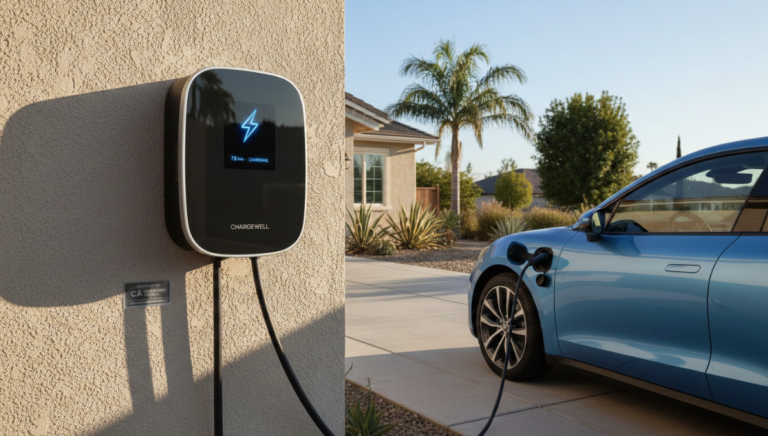
Imagine never having to stop at a gas station again. For many Irvine and Anaheim residents, this is the reality with a dedicated home charger. A Level 2 charger reliably charges most EVs overnight, ensuring you’re always ready for your commute or weekend adventures across Orange County.
This convenience, however, often overshadows a crucial consideration: your home’s electrical infrastructure. Homeowners, eager to enjoy their new EV, sometimes overlook the foundational requirements for safely powering their charging station. This oversight is where the most significant mistake often originates.
The Hidden Hazard: Underestimating Your Home’s Electrical Capacity
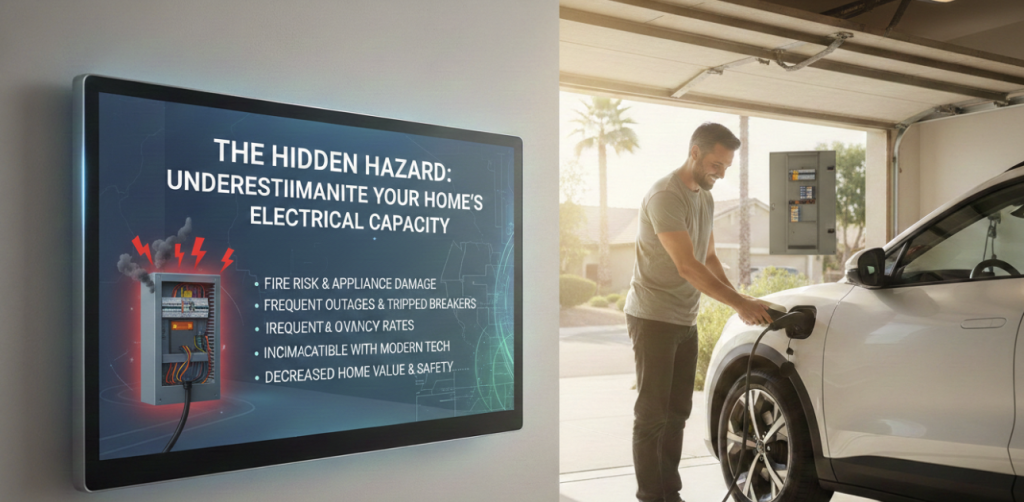
The single most common, and potentially dangerous, mistake Irvine and Anaheim homeowners make is underestimating their existing electrical panel’s capacity or attempting a DIY installation without proper permits and professional electrical assessment. Many homeowners assume their electrical system can handle a high-power Level 2 EV charger without issue. This assumption is often incorrect and can lead to serious consequences.
Understanding Your Home’s Electrical Backbone
Your home’s electrical panel is its heart, distributing power to every outlet and appliance. Older homes in Irvine and Anaheim, particularly those built before the late 1980s, often have 100-amp service. While sufficient for traditional needs, these panels may not have enough reserve capacity for a Level 2 EV charger, which typically requires a dedicated 240-volt circuit and 40 to 80 amps of continuous power.
Trying to pull more electricity than your panel can safely provide is a significant safety risk. This oversight can lead to electrical fires, damage to your home’s wiring, and even void your home insurance if an unpermitted or unsafe installation is found to be the cause of an incident.
Why This Mistake Matters: Safety, Cost, and Compliance for Irvine and Anaheim Homeowners
Ignoring your home’s electrical limitations or sidestepping professional installation for your new EV charger has far-reaching implications. It impacts safety, incurs unexpected costs, and can put you at odds with local regulations in both Irvine and Anaheim.
The Dangers of an Overloaded Electrical Panel
The primary concern with an overloaded electrical panel is safety. When you demand more power than your system is designed for, circuits can overheat. This can melt wire insulation, leading to short circuits and, in the worst case, electrical fires. A professional Irvine EV charger installation aims to mitigate this through proper assessment and upgrades.
The Financial Repercussions of DIY Mistakes
While a DIY EV charger installation might seem like a way to save money upfront, it almost invariably leads to greater costs later. Homeowners often discover their mistake only after experiencing issues, requiring an emergency call to an electrician. What could have been a planned electrical panel upgrade for an EV charger becomes a reactive, and often more expensive, repair.
Navigating Local Permits and Inspections in Irvine and Anaheim
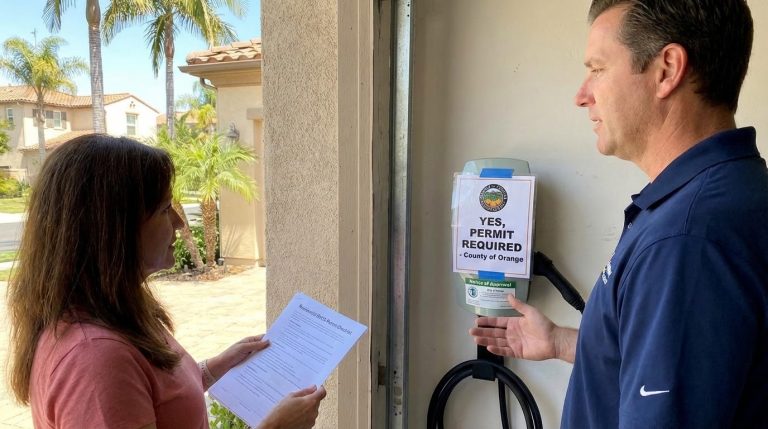
In both Irvine and Anaheim, EV charger permits are mandatory for any permanent electrical installation. These permits ensure the work complies with the National Electrical Code (NEC) and local building codes, safeguarding your property. Skipping this risks fines, forced removal, or issues selling your home.
A licensed electrician in Irvine or Anaheim will handle the permitting process for you. This ensures all paperwork is correctly filed and the installation passes inspection, saving you headaches and potential legal troubles.
Navigating EV Charger Installation: What to Consider Before You Start
Now that the core mistake has been highlighted, let’s explore proactive steps Irvine and Anaheim homeowners should take. These ensure a safe, compliant, and efficient home EV charger installation from the outset.
Assessing Your Current Electrical Panel Capacity
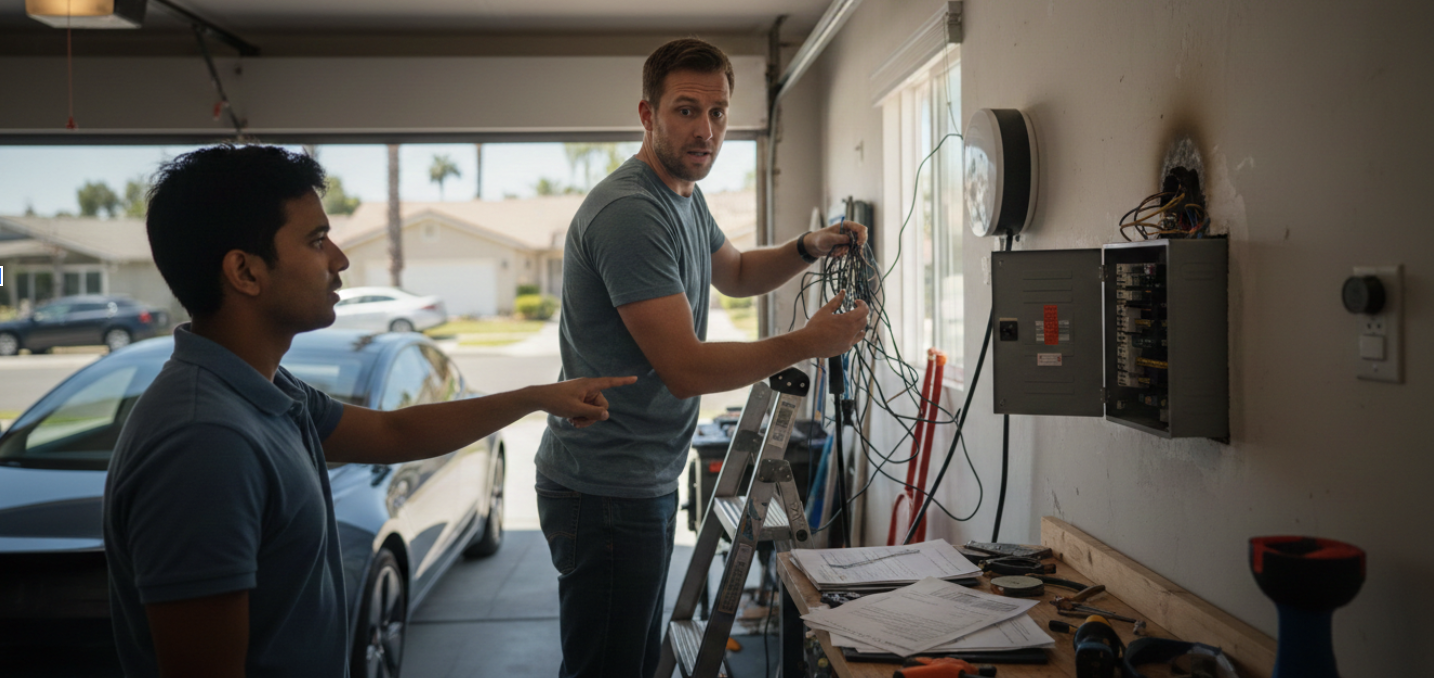
Before purchasing an EV charger, have a qualified licensed electrician evaluate your existing electrical panel. They will assess its amperage capacity and determine if an electrical panel upgrade is needed for a new, dedicated 240-volt circuit. This assessment is the foundational step to avoid the major mistake.
Choosing the Right Level 2 EV Charger for Your Needs
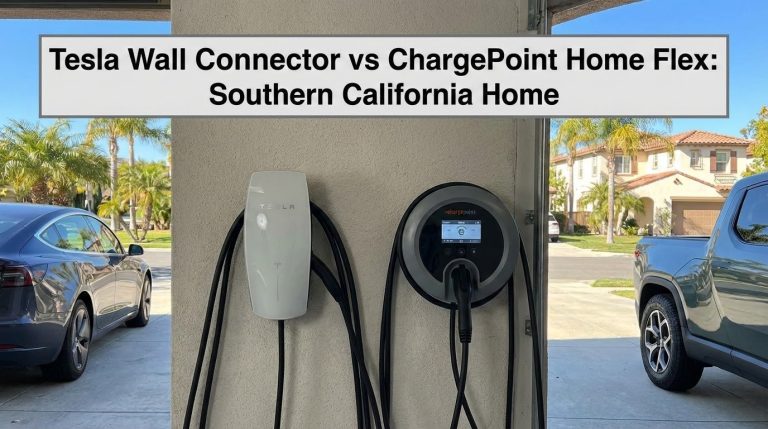
While many Level 2 chargers are available, choosing one that matches your vehicle’s charging speed and your home’s electrical capacity is important. Discuss this with your electrician; they can recommend chargers compatible with your vehicle and suitable for your home’s electrical setup. A good residential EV charging solution integrates seamlessly and safely.
The Crucial Role of a Licensed and Experienced Electrician
This cannot be stressed enough: always hire a licensed and experienced electrician for your EV charger installation in Irvine or Anaheim. Do not attempt a DIY installation unless you are a certified electrician yourself. A professional will:
- Inspect your existing electrical system thoroughly.
- Determine if an electrical panel upgrade or new dedicated circuit is necessary.
- Handle all required EV charger permits with the city.
- Install the charger according to the National Electrical Code (NEC) and local regulations.
- Ensure the installation passes all necessary inspections, guaranteeing safety and compliance.
Budgeting for the Entire EV Charger Installation Process
When budgeting for your EV, remember to factor in the installation costs of the charger itself. This is often an overlooked expense. Installation costs can range widely, from a few hundred dollars for a simple installation to several thousand if a major electrical panel upgrade is required. Obtain multiple quotes from licensed electricians in Irvine and Anaheim.
The Path to a Safe and Efficient Home EV Charger Installation
Once you understand the requirements, the process for a safe and efficient home EV charger installation in Irvine or Anaheim becomes much clearer. It involves careful planning, professional execution, and adherence to local regulations for peace of mind.
The Permitting Process: A Step-by-Step Guide for Homeowners
The first practical step after selecting your charger and electrician is initiating the permitting process. Your chosen licensed electrician should handle this. Steps include application submission, plan review, permit issuance, and a final inspection ensuring everything is correctly installed and safe. Only after passing inspection can you confidently use your new charger.
What to Expect During the Professional Installation
During the actual EV charger installation, your electrician will typically: install a new 240-volt dedicated circuit, mount the charging unit securely, connect wiring, and test the circuit. If required, they will perform an electrical panel upgrade. They will also walk you through the basic operation of your new charger.
Ensuring Long-Term Safety and Efficiency of Your EV Charger
Once your Irvine EV charger is professionally installed and inspected, enjoy the convenience! However, continue to monitor its performance. If you notice any unusual smells, sounds, or frequent breaker trips, contact your electrician immediately. Utilizing smart charging features can also reduce your electricity bill and lessen strain on the power grid for your residential EV charging solution.
Expert Insights and Avoiding Common Pitfalls
Drawing on the experience of numerous Anaheim EV charger installations, electrical professionals offer additional advice. This helps homeowners navigate this process successfully and avoid unforeseen complications, ensuring a smooth transition to EV ownership.
Comparing DIY vs. Professional EV Charger Installation Costs
While a professional installation has an upfront cost, comparing it to the potential costs of a botched DIY job reveals why it’s the smarter investment. DIY might save hundreds initially, but could lead to thousands in repair costs, potential fire damage, and legal penalties for unpermitted work. A licensed electrician’s fee covers expertise and safety.
The Benefits of Proactive Planning for EV Charger Upgrades
Proactive planning is key. Engage with a licensed electrician in Irvine or Anaheim early in your EV purchasing journey. They can visit your home, assess your electrical system, and provide a clear quote for any necessary upgrades. This ensures your home is ready for your EV the moment it arrives and allows for smoother permitting.
Frequently Asked Questions About Home EV Charger Installation in Irvine and Anaheim
Do I need a permit to install an EV charger in Irvine or Anaheim?
Yes, absolutely. Any permanent electrical installation, including a Level 2 EV charger, requires a permit from the city of Irvine or Anaheim’s building department. This ensures the installation complies with safety codes and protects your home. Your licensed electrician will typically handle the permitting process.
How much does an electrical panel upgrade for an EV charger typically cost in Orange County?
The cost for an electrical panel upgrade in Irvine or Anaheim can vary significantly, usually ranging from $1,500 to $4,000 or more. Factors include the existing panel’s condition, the desired new amperage, and the complexity of the wiring work. Get multiple detailed quotes from licensed electricians.
Can I install a Level 2 EV charger myself?
Unless you are a licensed electrician with experience in high-voltage wiring and local electrical codes, it is strongly advised against installing a Level 2 EV charger yourself. The high amperage and 240-volt circuit pose significant electrical fire and electrocution risks if not installed correctly. Professional installation ensures safety and functionality.
How long does it take to install a home EV charger?
A straightforward Level 2 EV charger installation (where the electrical panel has sufficient capacity and is close to the charging location) can often be completed in a single day by a professional electrician. However, if an electrical panel upgrade or extensive new wiring is required, the project could take several days to a week, not including permit approval and inspections.
What is the difference between Level 1 and Level 2 EV charging for home use?
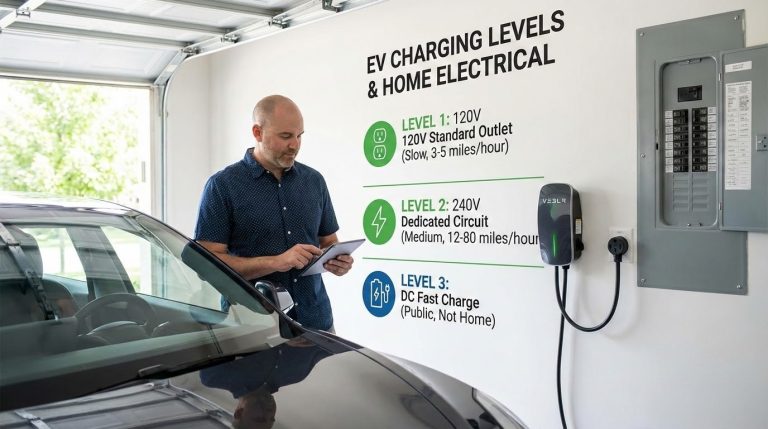
Level 1 charging uses a standard 120-volt household outlet and adds about 2-5 miles of range per hour, making it very slow. Level 2 charging uses a dedicated 240-volt circuit and adds about 20-40 miles of range per hour, fully charging most EVs overnight. Level 2 is the recommended choice for residential EV charging solutions due to its much faster charging speed.
Your EV Journey Starts with a Solid Foundation
Embracing an electric vehicle in Irvine or Anaheim is an exciting step towards a sustainable future and convenient driving. But the success and safety of that journey hinge on one critical decision: how you approach your home EV charger installation. The single, most pervasive mistake homeowners make is underestimating their home’s electrical capacity and attempting to bypass professional, permitted installation. This path is fraught with risks, from dangerous electrical hazards to costly repairs and regulatory penalties.
Instead, choose the path of proactive planning and professional expertise. Engage a licensed electrician in Irvine or Anaheim early in the process. Let them assess your home’s electrical system, guide you through any necessary electrical panel upgrades, and expertly handle the EV charger permits and installation. By laying this solid electrical foundation, you ensure your residential EV charging solution is not just convenient, but also supremely safe, efficient, and compliant with all local standards. Make the smart choice; protect your home, your family, and your investment in the electric future.