Did you know California leads the nation with over 1.7 million registered electric vehicles, a number projected to surge dramatically by 2030? With this rapid adoption, one question echoes in the minds of many prospective and current EV owners: what is the true cost of bringing efficient EV charging right into my garage? Installing a home EV charger is not just about convenience; it is an investment that can significantly enhance your electric vehicle ownership experience and offer substantial long-term savings compared to public charging networks.
The decision to install a home EV charger is a crucial step for any electric vehicle owner, offering unparalleled convenience and often more cost-effective charging rates than public alternatives. In California, a state at the forefront of the EV revolution, understanding the financial implications of this installation is more important than ever. By 2026, with even more EVs on the road and evolving infrastructure, knowing the potential expenses and available incentives will empower homeowners to make informed decisions. This guide aims to demystify the costs involved, from the charger unit itself to the complex electrical work, providing a clear, high-level ‘what and why’ behind investing in your own home charging station in the Golden State. It is not just about avoiding range anxiety; it is about embracing a seamless, integrated electric lifestyle.
Understanding the Essentials of Home EV Charging in California
What Exactly is a Home EV Charger and Why Do You Need One?
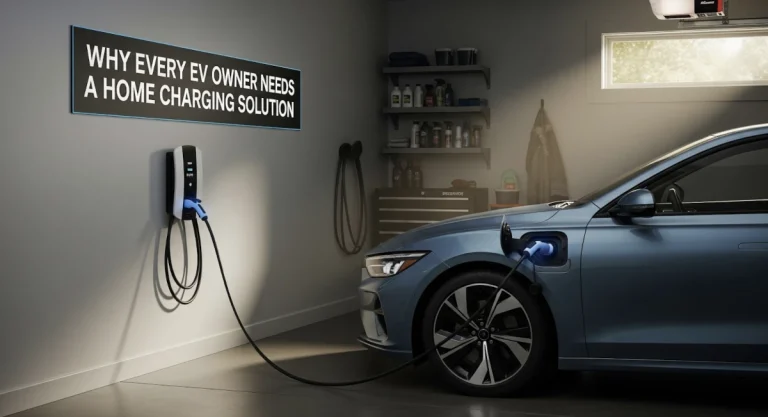
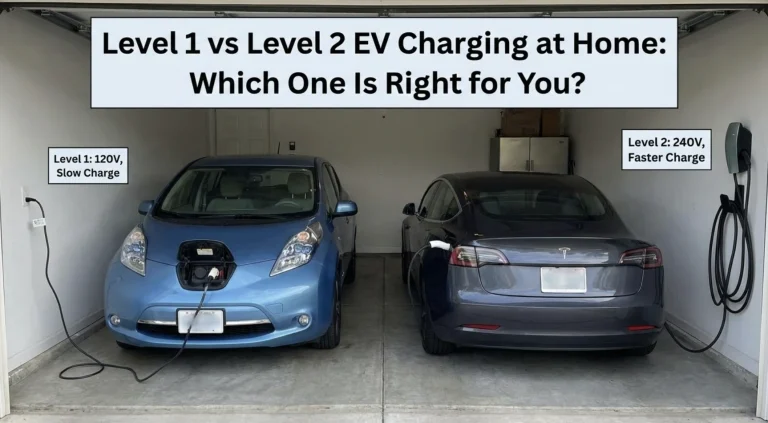
A home EV charger, more accurately termed Electric Vehicle Supply Equipment (EVSE), is the essential link between your home’s electrical system and your electric vehicle. While a basic Level 1 charger comes standard with most EVs, plugging into a regular 120V outlet, it offers a very slow charge rate, typically adding only 2-5 miles of range per hour. This is often insufficient for daily driving needs, especially for longer commutes across California.
This is where a Level 2 EV charger becomes indispensable. Operating on a 240V circuit, similar to a clothes dryer or electric oven, a Level 2 charger can deliver between 20-60 miles of range per hour, fully charging most EVs overnight. For the typical California homeowner, a Level 2 charger transforms the EV experience, eliminating reliance on public charging stations, saving time, and often reducing charging costs by taking advantage of off-peak utility rates. The convenience of waking up to a fully charged vehicle every day is a game-changer for daily commutes and weekend adventures alike.
The Driving Force: California’s EV Mandate and Incentives
California has consistently led the charge in electric vehicle adoption and environmental policy. With ambitious goals to phase out gasoline-powered vehicle sales, the state is creating a robust ecosystem that strongly encourages EV ownership. This commitment directly impacts the home charging market, driving innovation and expanding access to supportive programs. The state’s push for clean transportation has led to various incentives and regulations designed to make EV ownership, including home EV charger installation, more accessible and affordable for its residents. These mandates not only reflect environmental responsibility but also aim to solidify California’s position as a leader in sustainable technology, making home EV charging a pragmatic and often incentivized choice for 2026 and beyond.
Breaking Down the Cost: Key Factors Influencing EV Charger Installation
The Charger Unit Itself: Level 2 EVSE Costs Explained
The price of the Level 2 EVSE unit is the first major component of your total EV charger installation cost. These chargers typically range from $400 to $1,200, with variations based on brand, charging speed (measured in kilowatts or amps), and smart features. Popular brands like ChargePoint Home Flex, Wallbox Pulsar Plus, and the Tesla Wall Connector offer reliable performance and advanced functionalities, making them popular choices for California EV owners.
When selecting a charger, consider its amperage; higher amperage usually means faster charging but may require more substantial electrical infrastructure. Smart chargers, which often come with Wi-Fi connectivity and mobile app integration, allow for scheduling charging sessions during off-peak hours, monitoring energy consumption, and even integrating with home energy management systems. While these premium features might add to the initial cost, they can lead to long-term savings and enhanced user experience. For instance, a basic 32-amp unit might be at the lower end of the spectrum, while a 48-amp smart charger with a longer cable could push towards the higher end of the EV charger price range.
Electrical Work Complexity: The Biggest Variable in Installation Costs
The bulk of your EV charger installation expenses will likely stem from the necessary electrical upgrades and labor. This is where costs can fluctuate significantly, ranging from a few hundred dollars to several thousand. The complexity depends heavily on your existing electrical system and the desired location of the charger. Engaging a qualified electrician for EV charger installation is crucial to ensure safety and compliance with California’s rigorous electrical codes.
Standard Installation Scenarios
In the simplest case, your electrical panel has sufficient capacity, and the desired EVSE installation location (e.g., garage wall) is close to the panel. This might involve running a new 240V circuit with appropriate wiring and a dedicated breaker. For 2026, expect standard installation costs to be in the range of $500 to $1,500. This usually includes the necessary wiring, conduit, breaker, and labor.
Electrical Panel Upgrades
Many older homes, particularly in California, may not have enough electrical capacity in their main service panel to accommodate a new 240V, 40-50 amp circuit required for a Level 2 charger. In such cases, a full electrical panel upgrade may be necessary. This complex job involves increasing the amperage capacity of your main panel, which can cost anywhere from $2,000 to $6,000 or more in 2026, depending on the size of the upgrade and local labor rates. This is a significant factor in overall EV charger installation cost in California.
Trenching and Wiring Runs
If you want to install your EV charger in a detached garage, a carport, or another location far from your main electrical panel, the electrician may need to run conduit and wiring a significant distance. This could involve trenching underground or installing extensive surface conduits. Trenching adds complexity and cost, potentially increasing installation expenses by $1,000 to $3,000+, depending on the distance and ground conditions. Longer interior wiring runs within the house also add to the overall labor and material costs.
Permits and Inspections
In California, obtaining the necessary permits for EV charger installation is mandatory to ensure safety and compliance with local building and electrical codes. The cost of permits typically ranges from $50 to $500, depending on your municipality and the scope of work. After installation, a local inspector will verify that the work meets all codes. While an added step, permits protect your investment and ensure proper installation. A professional EV charger installer will handle this process for you.
Labor Costs and Local Rates
Labor costs for electricians in California are generally higher than the national average. Factors such as the electrician’s experience, licensing, insurance, and the complexity of the job influence hourly rates. For 2026, expect electrician rates in California to range from $90 to $150+ per hour. The total labor cost will depend on the number of hours required for the specific installation, which can vary widely.
California EV Charger Incentives and How to Save (2026)
Federal Tax Credits (IRA)
The federal government continues to offer incentives that can significantly reduce the cost to install an EV charger. Under the Inflation Reduction Act (IRA), homeowners may be eligible for a tax credit of 30% of the cost of the EV charger and its installation, up to a maximum of $1,000. This credit applies to both the hardware and labor, making it a substantial saving for eligible installations in 2026. Be sure to consult a tax professional for specific eligibility requirements.
State and Local Programs
California itself offers a suite of programs and rebates to encourage EV charging infrastructure. The California Energy Commission (CEC) often provides grants and rebates for residential EV charging. Additionally, many local utility providers, such as PG&E, SCE, and SDG&E, offer their own rebates for purchasing and installing Level 2 chargers. These utility programs can range from $200 to $1,000 or more, often covering a significant portion of the upfront costs. Checking your local utility’s website for “EV charger rebates California” or “EVSE incentives 2026” is a smart first step.
Builder and Contractor Incentives
Some new home builders in California are incorporating EV charging readiness into their standard packages, which can reduce your out-of-pocket costs. Additionally, certain contractors specializing in EV charger installation may offer bundled deals or financing options. It is always wise to inquire about any available specials or packages when getting quotes for your home EV charging station.
The Return on Investment (ROI) of Home EV Charging
Cost Savings vs. Public Charging
While there’s an initial EV charger installation cost, the long-term savings are significant. Home charging, especially when utilized during off-peak electricity hours, is consistently cheaper than relying on public fast-charging networks. Over the lifespan of your EV, these savings can easily amount to thousands of dollars, making the upfront investment highly worthwhile. This is a primary driver for the ROI of EV charging.
Convenience and Time Savings
The value of convenience cannot be overstated. With a home EV charger, you eliminate trips to public charging stations, saving precious time and avoiding range anxiety. Waking up to a full “tank” every morning means more flexibility for your daily commute and spontaneous road trips. This intangible benefit contributes greatly to the overall satisfaction of EV ownership in California.
Increased Property Value
As EVs become more mainstream, a home equipped with dedicated EV charging infrastructure is increasingly attractive to potential buyers. Future-proofing your home with a Level 2 charger can be a desirable amenity, potentially increasing your property’s market value. This forward-thinking addition positions your home favorably in California’s competitive real estate market for 2026 and beyond.
Choosing the Right EV Charger and Installer
Matching Charger to Vehicle Needs
When selecting your EV charger, consider your vehicle’s maximum charging rate and your typical daily driving needs. A 48-amp charger is ideal for most modern EVs, allowing for faster charging, but ensure your car can accept that rate. Don’t overspend on a charger that’s too powerful for your vehicle’s onboard charger to handle, but also consider future EV purchases. This careful selection ensures optimal EV charging at home.
Finding a Qualified Electrician
Always choose a licensed, insured, and experienced electrician who specializes in EV charger installations. Ask for references and verify their credentials. A qualified professional will ensure the installation is safe, code-compliant, and optimized for your home’s electrical system, avoiding costly issues down the line. Look for electricians familiar with California EV charging regulations.
Importance of Permits and Warranties
Ensure your chosen installer handles all necessary permits and provides a warranty for both the equipment and their labor. Proper permitting protects you from future issues during home resale and ensures safety. A warranty offers peace of mind regarding the quality and durability of your EVSE installation.
Future-Proofing Your Home EV Charging Setup
Panel Capacity
When considering a panel upgrade for your home EV charger installation, it’s wise to think long-term. Opting for a slightly larger capacity than immediately needed can save you money and hassle if you plan to add more high-demand electrical appliances or a second EV in the future. This approach helps in EV readiness and avoids further electrical work.
Bidirectional Charging Considerations
Technology is evolving, and bidirectional charging (Vehicle-to-Home or Vehicle-to-Grid) is on the horizon. If you’re undertaking significant electrical work, discuss the possibility of future-proofing for this technology with your electrician. While not yet widespread, it could allow your EV to power your home during outages, offering even greater value.
Smart Home Integration
Modern smart EV chargers already integrate with mobile apps for scheduling and monitoring. As smart home ecosystems become more sophisticated, ensure your chosen charger has the potential for broader integration with energy management systems. This can further optimize charging costs and enhance convenience in your electric vehicle lifestyle.
Conclusion
Installing a home EV charger in California is a smart, forward-thinking investment for any electric vehicle owner. While costs can vary significantly based on electrical complexity, ranging from roughly $900 to $7,200+ before incentives, the benefits of convenience and long-term savings are substantial. With federal and state incentives available in 2026, a significant portion of this initial outlay can be recouped. Empower yourself with knowledge, choose a qualified professional, and embrace the seamless experience of waking up to a fully charged EV every day.