Imagine never having to stop at a gas station again, waking up every morning to a “full tank” in your electric vehicle, ready for the day’s adventures. This isn’t a futuristic dream; it’s the reality for millions of EV owners. They embrace the convenience of home charging, eliminating range anxiety and saving valuable time daily. For many, the journey to installing an EV charger at home seems complex and intimidating, leaving them wondering where to even begin.
Are you considering or already owning an electric vehicle, pondering the best way to keep it charged efficiently and affordably? This comprehensive guide will demystify the entire process of EV charger installation. We’ll cover everything from understanding types and costs, to navigating permits and knowing what to expect from professionals. We break down complexities into simple steps, ensuring you feel confident and informed for a seamless home charging setup.
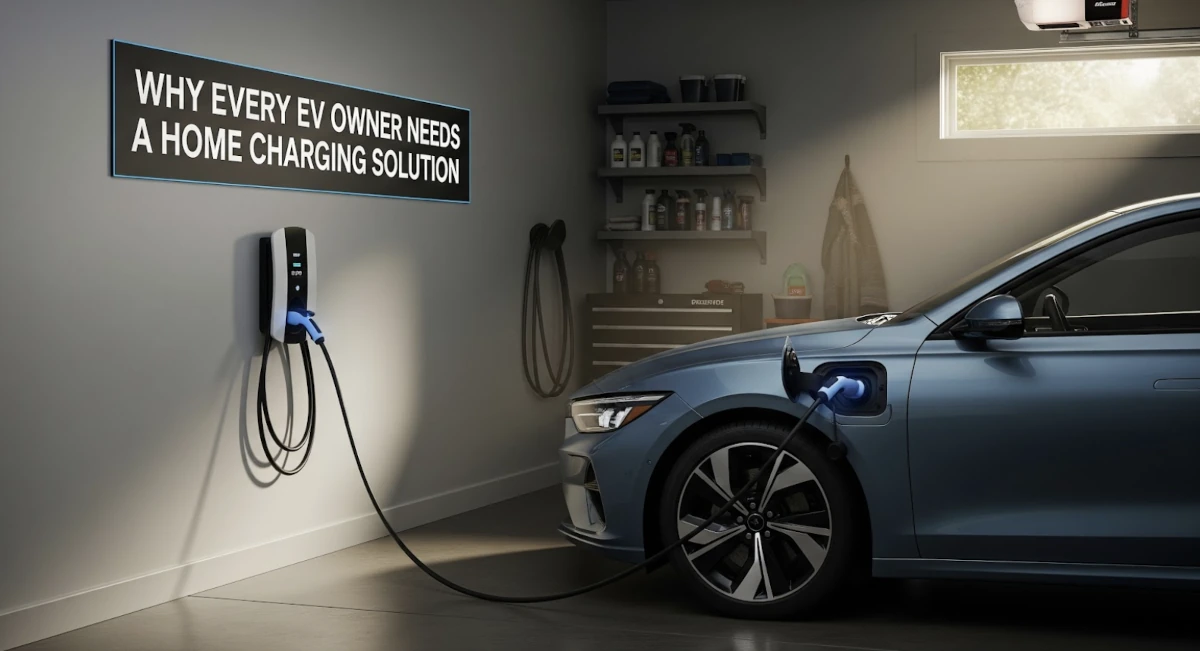
Why Every EV Owner Needs a Home Charging Solution
The rise of electric vehicles signifies a major shift in transportation. As more homeowners embrace this sustainable travel mode, discussions often turn to charging. While public stations expand, true convenience and cost-effectiveness come from a dedicated home EV charging station. It transforms your garage or driveway into your personal fueling point.
Understanding the Convenience and Benefits of Home EV Charging
One primary driver for homeowners opting for residential EV charging is unparalleled convenience. Imagine plugging in your electric car as easily as your phone before bed. There’s no detouring, no waiting in line, and no worrying about charger availability. Your vehicle is charged overnight, ready for daily tasks, eliminating gas station stops. This seamless integration is a game-changer.
Beyond convenience, home EV charging provides consistent access, crucial for battery health and range optimization. Charging at home often leverages off-peak electricity rates, proving more economical than public options. This control over charging directly impacts monthly expenses, making your home a smart energy hub.
The Economic Advantages of Charging Your EV at Home
The financial benefits of charging your EV at home extend far beyond convenience. For many, electricity is significantly cheaper than gasoline, especially with time-of-use (TOU) tariffs. Scheduling charging for off-peak hours drastically reduces “fuel” costs. This smart strategy leads to substantial savings over your EV’s lifetime.
Consider the savings: charging at home during off-peak hours can be equivalent to $1.50 per gallon of gas, compared to $3-5 at public fast chargers. Over 12,000 miles annually, these savings total hundreds, if not thousands, of dollars. Many utility companies and governments offer EV charging incentives and rebates, further offsetting the initial EV charger installation cost.
Decoding EV Charger Types: Levels 1, 2, and 3 Explained
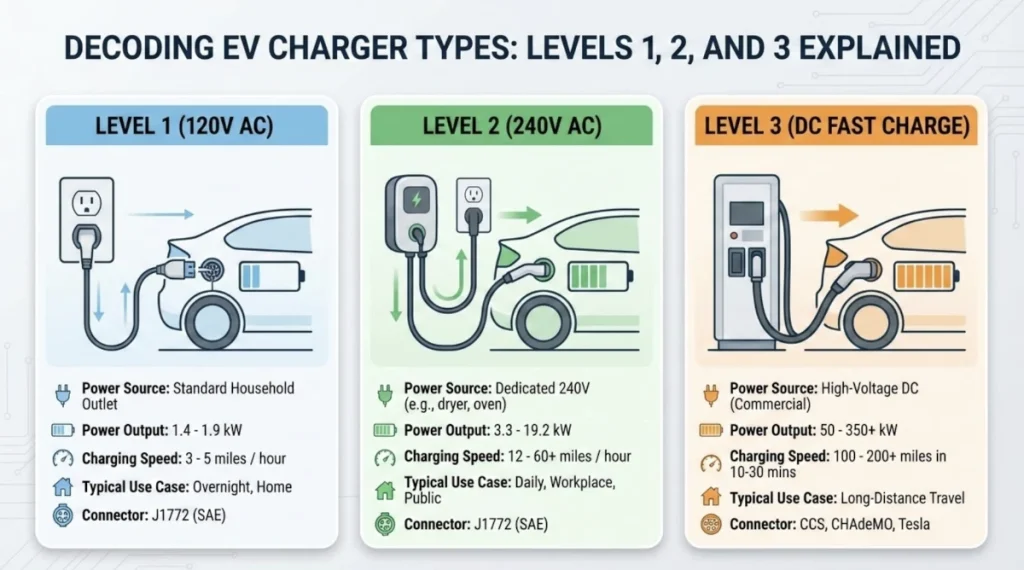
When considering electric vehicle charger installation for your home, understanding different charging levels is crucial. Each level offers varying speeds and requires specific electrical setups, impacting convenience and installation cost. Your choice depends on your vehicle, driving habits, and home’s electrical infrastructure.
Level 1 Charging: The Basics for Every EV Owner
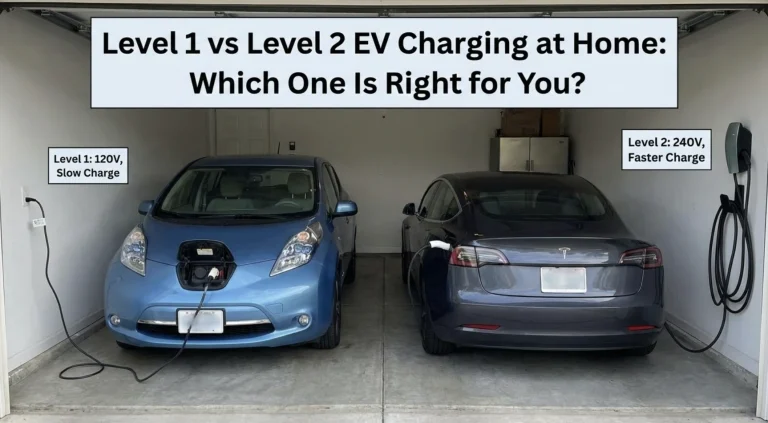
Level 1 charging is the simplest and most accessible home EV charging. It uses a standard 120-volt AC outlet, common in every home. Most EVs include a Level 1 portable charger that plugs directly into a regular wall socket. This means no special EV charger installation is required, ideal for new EV owners starting without extra expense.
While convenient, Level 1 is the slowest, adding about 2 to 5 miles of range per hour. For 30-40 miles daily, an overnight charge might suffice, but won’t quickly replenish a depleted battery. It suits plug-in hybrids or EVs with smaller batteries, or drivers with short commutes. Think of it as a trickle charge, a good entry point but often desiring more speed.
Level 2 Charging: The Ideal Balance of Speed and Accessibility
For most EV owners, Level 2 charging is the sweet spot for home EV charging efficiency. These chargers use a 240-volt AC circuit, like electric dryers. Level 2 typically delivers 25 to 60 miles of range per hour, meaning a full charge for most EVs occurs in 4 to 10 hours overnight. This speed makes it practical for daily use.
The installation of a Level 2 EV charger usually requires a dedicated 240-volt circuit and professional electrical work. Despite added installation, faster charging and enhanced convenience often outweigh the initial expense. Many homeowners find a Level 2 charging station vastly improves their EV ownership, reducing reliance on public infrastructure. This is widely considered the best home EV charging solution.
Level 3 DC Fast Charging: Why It’s Not For Residential Use
Level 3 charging, or DC Fast Charging/Supercharging, offers the fastest speeds, adding hundreds of miles in under an hour. However, this technology is for commercial and public stations, not residential EV charger installation. Its power requirements are immense, needing industrial-grade electrical infrastructure absent in typical homes.
The electrical demands and significant installation costs make Level 3 impractical and prohibitively expensive for homeowners. It’s unnecessary for daily home use, as Level 2 covers overnight needs. For rapid charges on the go, public DC fast charging networks are available. Focus on Level 2 chargers for the most efficient and cost-effective home EV charging setup.
The Essential Pre-Installation Checklist: What Homeowners Must Consider
Before any wires are run or equipment purchased, a thorough evaluation is essential for smooth EV charger installation. This crucial planning stage avoids costly surprises and ensures your home EV charging station meets your vehicle’s requirements and lifestyle. Completing this EV charging pre-installation checklist saves headaches later.
Assessing Your Home’s Electrical Capacity and Service Panel
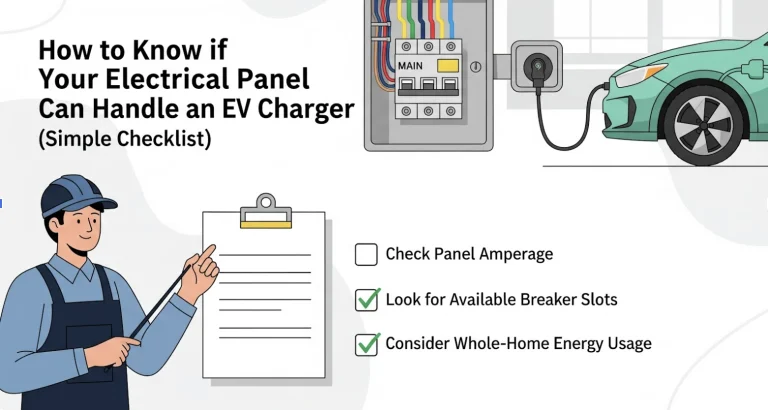
The most critical step for electric vehicle charger installation is assessing your home’s electrical infrastructure. A Level 2 charger needs a dedicated 240-volt circuit, drawing significant power. Your home’s main electrical service panel must have sufficient spare capacity. Most modern homes with a 200-amp panel are adequate; older homes with 100-amp panels might need an electrical panel upgrade for EV charging.
A licensed electrician for EV charger installation will perform a load calculation to determine capacity. If an upgrade is necessary, it adds to your overall EV charger installation cost and timeline. Address this early for safety and functionality. Neglecting this step can lead to tripped breakers, power outages, or fire hazards. This assessment is key for a safe home EV charging setup.
Choosing the Right EV Charger for Your Vehicle and Lifestyle
With home electrical capacity understood, select the appropriate EV charging station. Consider your EV’s maximum charging rate; a 48-amp charger won’t benefit a car accepting only 32 amps. Match the charger to your vehicle’s specifications to optimize speed without overspending.
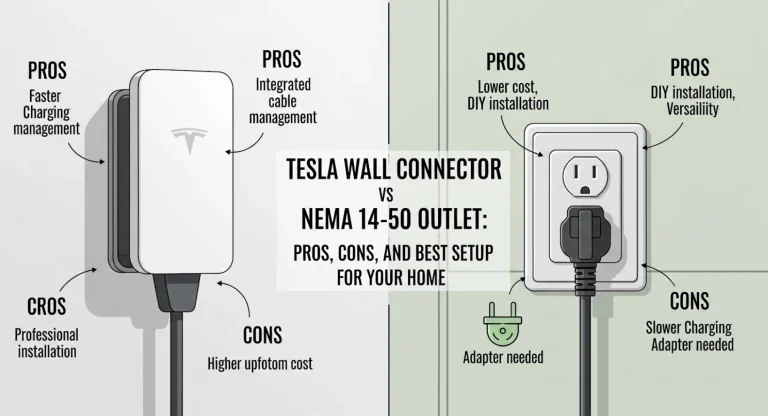
Think about lifestyle features: Wi-Fi connectivity for scheduling and monitoring, smart home integration, cable management, or outdoor suitability. Consider the cable length needed to reach your vehicle comfortably. Comparing different Level 2 EV charger models ensures the best fit for your needs, making your EV charging setup convenient and efficient.
Considering Future-Proofing Your EV Charging Setup
The EV market evolves rapidly, with new models offering larger batteries and faster charging. When planning your home EV charger installation, consider future-proofing. Your current EV might draw 32 amps, but your next could use 40 or 48 amps. If capacity allows, install wiring rated for higher amperage (e.g., a 60-amp circuit for a 48-amp charger).
Also, consider the charger’s location. Will you always park in the same spot? Is a second EV likely? Planning a flexible location or roughing in wiring for a second spot can be a smart long-term investment. Investing upfront in robust wiring and a flexible setup prevents more significant, expensive electrical work later, making your residential EV charging solution sustainable.
Navigating the Permit Process: What You Need to Know
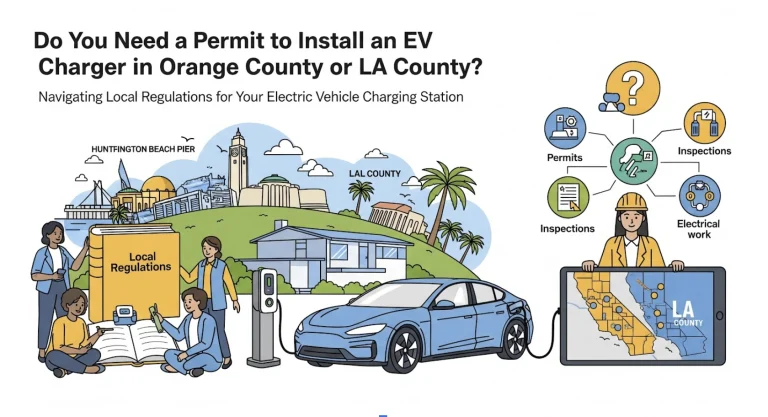
One crucial yet often overlooked aspect of EV charger installation is obtaining necessary permits. Many homeowners are surprised that electrical work, even for a charging station, almost always requires local approval. Correctly navigating this step ensures your home EV charging setup is safe, up to code, and compliant. Failing to secure permits can lead to fines, insurance issues, or removal.
Understanding Local Electrical Codes and Building Regulations
Every city, county, and state has specific electrical codes and building regulations for home electrical modifications. These codes ensure public safety and prevent hazards like electrical fires. For EV charger installation, this means correct wire gauge, circuit breaker sizing, and installation according to National Electrical Code (NEC) standards, plus local amendments. A licensed electrician in your area will know these.
Requirements vary significantly; some jurisdictions have specific spacing or conduit rules for outdoor installations. Homeowners shouldn’t attempt to understand these nuances independently. Rely on a licensed electrician for EV charger installation. They interpret and apply codes correctly, ensuring your home EV charging solution passes inspection without issues.
The Importance of Licensed Electricians for Permit Compliance
This highlights a critical point: hiring a licensed and qualified EV charger installer is essential. Tempting as it may be to save money with DIY or an unlicensed handyman, this is dangerous and often illegal. Licensed electricians have rigorous training, passed exams, and are up-to-date on all codes. Their license signifies competence and adherence to safety. Most local permitting offices only issue permits to licensed contractors for electrical work.
A licensed electrician not only performs the EV charger installation correctly but also handles the permit application process. They ensure all paperwork is filed, inspections scheduled, and the installation meets safety and code standards. This expertise is invaluable, protecting you from hazards, legal issues, and failed inspections. For a powerful Level 2 EV charger installation, professional expertise is essential.
Streamlining Your Permit Application: A Step-by-Step Approach
While your electrician primarily manages permits, understanding the steps helps. After initial assessment, the electrician prepares a detailed plan for the EV charging setup, including diagrams and specifications. This plan, with the permit application, is submitted to your local building department for code and zoning compliance review.
Once approved, a permit is issued, and EV charger installation can proceed. Upon completion, a city or county electrical inspector verifies the work meets approved plans and codes. After passing inspection, your home EV charging station is officially approved for safe operation. This methodical approach ensures legality, safety, and functionality for your new electric vehicle charging solution.
What to Expect During the EV Charger Installation Process
With permits secured and equipment chosen, the physical EV charger installation begins. Knowing what to expect helps prepare your home and workspace for a smooth, efficient process. While every home is unique, most licensed EV charger installers follow a general sequence to establish your home EV charging station safely.
The Initial Site Visit and Electrical Assessment
Before major work, the electrician conducts an initial site visit and detailed electrical assessment. They confirm the optimal EV charging station location, considering proximity to parking, the main electrical panel, and obstacles. They verify panel capacity, identify the best wiring route, and determine if additional work like trenching or drywall repair is needed.
During this visit, ask questions and express preferences. The electrician finalizes the plan, confirms the scope, and discusses adjustments. This ensures everyone is aligned before actual EV charger installation begins, setting the foundation for a successful home EV charging setup.
Running New Wiring and Installing the Dedicated Circuit
This is where the core electrical work occurs. The electrician first turns off power to your home for safety. They install a new, dedicated 240-volt circuit breaker in your electrical panel. Then, new electrical wiring runs from the panel to the chosen electric vehicle charger location, potentially through walls, attics, basements, or conduits.
The wire gauge is chosen for the Level 2 EV charger‘s amperage (e.g., 8-gauge for 40-amp, 6-gauge for 48-amp). This dedicated circuit ensures your home EV charging station has its own power supply, preventing overloads and providing a reliable, safe charging environment. This step is critical for your EV charging solution‘s long-term safety and performance.
Mounting the Charging Station and Final Testing
Once wiring is in place, the electrician physically mounts the EV charging station to the wall or a pedestal at a convenient height. They connect the new wiring to the unit, ensuring secure and insulated electrical connections. After wiring, home power is restored, and the electrician performs final tests on the charging station.
Tests confirm correct power, communication, and readiness. Specialized equipment may verify voltage and amperage. Often, they’ll plug in your EV for a brief test charge. This final step includes a tutorial on using your new home EV charging station. Thorough testing ensures your EV charger installation is complete, safe, and ready to power your EV efficiently.
Unpacking the Costs of Home EV Charger Installation
Understanding the financial commitment of your home EV charging station is a key concern. The EV charger installation cost isn’t just the charger; it covers equipment, labor, and permits. While the upfront investment seems significant, consider the long-term savings and convenience. Let’s break down typical expenses.
Breaking Down the Average Installation Costs: Equipment, Labor, and Permits
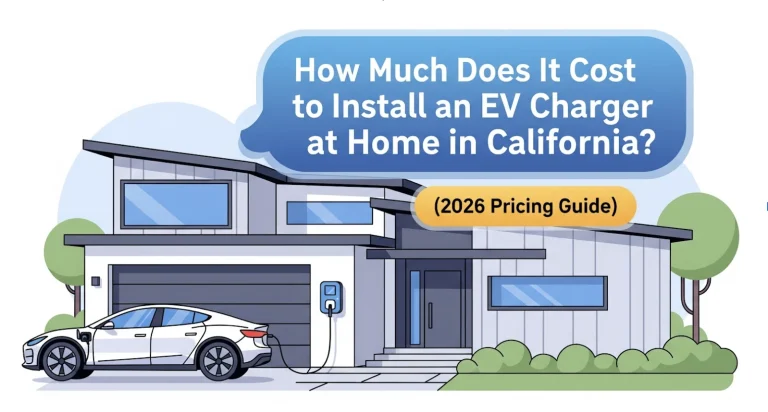
Total cost of EV charger installation typically ranges from $800 to $2,500, varying with complexity. EV charging equipment cost for a Level 2 charger is $300 to $700. Labor cost for EV charger installation is often the largest component, covering assessment, wiring, breaker, mounting, and testing. Factors include wiring distance and panel upgrades. Permits for EV charger installation add $50 to $200. Get multiple quotes from licensed EV charger installers.
Exploring Federal, State, and Local Incentives and Rebates
To encourage EV adoption and home EV charging solutions, many programs offer EV charging incentives and rebates. Federal tax credits may be available for qualified residential charging equipment, reducing out-of-pocket expenses. Check current IRS guidelines.
Many states and municipalities offer their own incentives, from direct charger rebates to installation cost credits. Utility companies also provide rebates for smart chargers or special off-peak electricity rates. Researching available EV charging rebates can substantially lower your overall EV charger installation cost. Reputable installers often know current programs.
Hidden Costs and How to Avoid Unexpected Expenses
Homeowners should be aware of potential “hidden” expenses to avoid surprises. The most common is an electrical panel upgrade for EV charging. If your panel can’t safely accommodate the new Level 2 circuit, upgrading it can add $1,500 to $4,000+. A thorough initial assessment is paramount.
Other potential costs include extensive trenching for outdoor installations or unexpected drywall repair. Remediation of outdated wiring found during installation can also add to the bill. Ensure your licensed EV charger installer provides a detailed, itemized quote outlining all potential work, including contingencies. Clear communication prevents unexpected EV charging expenses.
Actionable Tips for a Smooth EV Charger Installation Experience
Embarking on EV charger installation can feel like a significant project. However, with the right approach and key strategies, you can ensure a smooth, stress-free process. These actionable tips help you make informed decisions, choose the best professionals, and maintain your home EV charging station effectively for years.
Choosing a Qualified and Reputable EV Charger Installer
The success and safety of your home EV charging setup depend on your installer’s expertise. Prioritize licensed and insured electricians with specific experience in EV charger installations. Ask for proof of licensing and insurance. A reputable installer will know local codes, permit requirements, and various EV charging technologies.
Look for companies with strong local reputations, positive customer reviews, and a track record of successful installations. Request references or examples of past work. A qualified installer ensures safe, code-compliant electric vehicle charger installation and provides valuable advice on charger selection, placement, and energy savings. Their expertise is an investment in your residential EV charging solution‘s longevity.
Getting Multiple Quotes and Understanding the Scope of Work
To ensure a fair price and comprehensive service, **obtain at least three quotes** from different licensed EV charger installers. Be wary of significantly lower quotes, which might indicate shortcuts or a lack of proper licensing. When comparing, don’t just look at the bottom line.
Carefully review each quote’s scope of work. Does it include the charger, wiring, circuit breaker, labor, permits, and testing? Does it specify potential extras like drywall repair or a panel upgrade? A detailed quote prevents misunderstandings and unexpected charges. Understanding the EV charger installation cost breakdown empowers an educated decision.
Maintenance and Best Practices for Your Home Charging Station
Once your home EV charging station is installed, a little care ensures longevity and optimal performance. While EV chargers are robust, a few best practices for EV charging prevent issues. Handle the charging cable carefully, avoiding sharp bends or running it over. Store the cable neatly on its holster to prevent tripping hazards and wear.
Periodically inspect the charger unit and cable for damage, frayed wires, or loose connections. For outdoor chargers, ensure the protective cover is intact and it’s shielded from extreme weather. Keeping the unit clean and debris-free also helps. While routine electrical maintenance isn’t needed for the charger, regular checks by an electrician for your main electrical panel are good practice. These steps ensure a safe, efficient electric vehicle charging experience.
Frequently Asked Questions About Home EV Charger Installation
Homeowners often have many questions about EV charger installation. Here are answers to common inquiries, providing clarity for those looking to set up their home EV charging station.
What is the typical timeframe for a complete EV charger installation?
The entire process, from inquiry to final inspection, typically takes 2 weeks to 2 months. The physical EV charger installation itself usually takes a licensed electrician one full day, or even half a day for simpler setups. Most of the timeframe involves assessments, quotes, scheduling, and importantly, navigating the permit process for EV charger installation and waiting for inspections. Complex installations requiring an electrical panel upgrade for EV charging can extend this duration.
Can I install an EV charger myself to save on costs?
While tempting to DIY EV charger installation to save on electric vehicle charger costs, it’s strongly advised against. Installing a Level 2 charger involves high-voltage electricity and a dedicated 240-volt circuit. This work must comply with strict electrical codes and local regulations. Improper installation can lead to severe safety hazards like electrical fires or electrocution. Most authorities require permits, issued only to licensed electricians. DIY can void warranties, lead to insurance issues, or result in fines. Always hire a qualified professional.
Will installing an EV charger significantly increase my electricity bill?
Yes, using an EV charging station increases electricity consumption and your bill. The extent depends on driving habits, EV efficiency, local electricity costs, and use of off-peak rates. Many utilities offer time-of-use (TOU) plans with cheaper overnight electricity. Charging during off-peak periods dramatically reduces cost per mile compared to gasoline, often saving money long-term. The exact increase varies, but for most, it’s substantially less than fueling a gasoline car.
Are there specific electrical requirements for different EV models?
Most electric vehicles use any Level 2 EV charger (with standard J1772 connector or Tesla adapter). However, EV models have varying maximum charging rates. Some accept up to 32 amps, while others handle 48 amps or more. Match your home EV charging solution to your vehicle’s capabilities to optimize charging speed without overspending. Consult your owner’s manual for maximum AC charging rate. A qualified EV charger installer can help select the appropriate unit.
What happens if my home’s electrical panel isn’t sufficient?
If your home’s main electrical service panel lacks sufficient capacity for a new Level 2 EV charger circuit, an electrical panel upgrade for EV charging is necessary. This means replacing your panel (e.g., 100 amps to 200 amps) or adding a sub-panel. An upgrade is a significant electrical project, involving power disconnection and potential utility coordination. This adds considerably to the overall EV charger installation cost and timeline. Your licensed electrician will perform a load calculation during assessment and include this in their quote.
Final Thoughts on Empowering Your EV Journey at Home
Installing an EV charger at home is more than an upgrade; it’s an investment in convenience, savings, and a sustainable future. By understanding charging levels, meticulously planning your home EV charging setup, navigating permits with a licensed electrician, and preparing for EV charger installation costs, you ensure a smooth transition to EV ownership. Waking to a fully charged vehicle, optimizing energy, and contributing to a greener planet from home is truly rewarding. Don’t let initial complexities deter you. You now have the knowledge and insights for your residential EV charging journey. Take the first step today: connect with a reputable local electrician, get quotes, and unlock your electric vehicle’s full potential, one charge at a time.