Imagine a future where your business isn’t just prepared for the electric revolution, but leading it. Demand for public and workplace EV charging will grow exponentially, with millions of new ports needed by 2030. For forward-thinking business owners, installing commercial EV chargers isn’t just about ‘going green’; it’s a strategic move to future-proof operations, attract new customers, and boost your bottom line.
In today’s rapidly evolving world, electric vehicles are no longer a niche market but a mainstream reality. As more consumers and businesses transition to EVs, the infrastructure to support them becomes paramount. Providing convenient, reliable commercial EV charger installation can set your establishment apart, enhancing its appeal to a growing segment of the population.
Why Commercial EV Charging is Your Next Smart Business Move
The Electrifying Opportunity: What is Commercial EV Charging?
At its core, commercial EV charging refers to the installation and operation of electric vehicle charging stations for customers, employees, or a company’s fleet. Unlike residential chargers, commercial solutions handle higher usage and offer faster speeds with robust management systems. These range from Level 2 chargers for overnight or workday charging, to powerful DC fast chargers (Level 3) that can replenish a battery in minutes.
The “why” is a compelling story: it’s about recognizing a shifting market and positioning your business at the forefront. From retail centers and restaurants to office buildings, hotels, and industrial warehouses, the need for reliable EV charging solutions for businesses is becoming universal.
Beyond the Grid: Why Businesses are Embracing EV Chargers
The reasons for adopting electric vehicle charging infrastructure are multifaceted and strategic. It’s a fundamental shift driven by economic, environmental, and reputational factors. Consider Sarah, a boutique hotel owner who installed Level 2 chargers after noticing more EV-driving guests.
The results were immediate: her hotel attracted more EV guests, leading to increased bookings and higher occupancy rates. This demonstrated a clear return on investment EV chargers can provide. For businesses like Sarah’s, investing in commercial EV charger installation is a strategic advantage.
Here are some key benefits:
1. Attract and Retain Customers: Providing charging stations is a powerful magnet. Customers will choose your business if they can charge their vehicle while shopping, dining, or working.
2. Boost Employee Satisfaction: Workplace charging is a significant perk for EV-driving employees, reducing range anxiety and improving morale. This aids retention and attracts new talent.
3. Enhance Brand Image and Sustainability Goals: Investing in EV infrastructure demonstrates commitment to environmental responsibility. This resonates with eco-conscious consumers and enhances your brand’s reputation as a forward-thinking, sustainable business.
4. Potential New Revenue Streams: Many businesses charge a fee for EV charging, transforming parking lots into profit centers. Even free charging often leads to higher sales in other business areas.
5. Future-Proof Your Property: As EV adoption accelerates, properties without charging capabilities may become less desirable. Installing chargers now ensures your business remains relevant and attractive long-term.
6. Support Fleet Electrification: For businesses with vehicle fleets, dedicated chargers significantly reduce fuel costs, maintenance, and emissions, contributing to a more efficient and sustainable operation.
Decoding the Costs: Commercial EV Charger Installation Pricing Factors
One of the first questions any business owner asks is, “How much will this cost?” The truth is, there’s no single answer to the EV charging station cost. The investment varies widely based on numerous factors, from charger type to site conditions. Understanding these components is crucial for budgeting and achieving a solid charging station ROI.
Hardware Headaches? Understanding Charger Types and Prices
The initial and most obvious cost component is the charging equipment itself. EV chargers come in different types, each with its own price tag and capabilities.
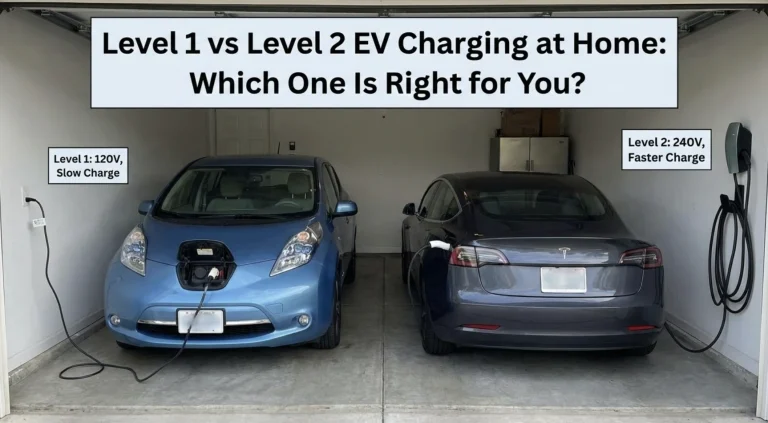
1. Level 2 (AC) Chargers: These are common commercial chargers, suitable for workplaces, hotels, and retail. They fully charge an EV in 4-8 hours. Prices range from $2,000 to $7,000 per port, depending on features.
2. DC Fast Chargers (Level 3): These high-power chargers are much faster, providing a significant charge in 20-60 minutes. Ideal for quick stops, their cost is significantly higher, often $25,000 to over $100,000 per unit, due to complex power electronics.
3. Software and Networking: Many commercial chargers come with smart features for remote monitoring, payment processing, and load management. Annual network subscription fees typically range from $200 to $600 per port.
The Installation Equation: Labor, Wiring, and Site Prep
The hardware is only part of the story. Commercial EV charger installation involves significant labor and infrastructure work, which can sometimes exceed hardware costs. These costs are highly dependent on your specific site conditions.
1. Electrical Upgrades: EV chargers, especially Level 3, require substantial electrical capacity. If your existing electrical system cannot handle the load, upgrades (new transformers, wiring) can be a major expense.
2. Trenching and Wiring: Running electrical conduits from the main panel to charging stations often involves digging. The length of these runs and terrain type impact labor and material costs.
3. Mounting and Pedestals: Chargers need secure mounting, either to a wall or a dedicated pedestal, involving concrete work and robust fixtures.
4. Accessibility Requirements: Ensuring charging stations meet Americans with Disabilities Act (ADA) guidelines, including proper space and access paths, can add to site preparation costs.
Permits, Planning, and Power: Hidden Costs to Consider
Beyond tangible hardware and labor, less obvious costs are associated with commercial EV charger installation, critical for successful deployment.
1. Permitting and Inspections: Local jurisdictions require permits for electrical work and new construction. Fees and approval times vary, and multiple inspections are common.
2. Engineering and Design: For complex installations, an electrical engineer might be needed for layout and load assessment, adding several thousand dollars to the project.
3. Utility Interconnection: Coordinating with your local utility is essential, especially for electrical upgrades. There might be fees for demand charges, service upgrades, or specific EV charging tariffs.
Software, Service, and Support: The Ongoing Investment
The financial commitment doesn’t end once chargers are installed. Long-term operational costs are a vital part of the overall investment.
1. Network Fees: Most smart commercial chargers require an annual network subscription for features like payment processing and remote diagnostics.
2. Maintenance and Repairs: Like any electrical equipment, EV chargers require periodic maintenance and can occasionally break down. Budgeting for routine checks and potential repairs is important.
3. Electricity Costs: This is the ongoing cost of fueling vehicles. Factor it into your budget, especially if offering free charging or during off-peak hours.
Unlocking Value: Calculating the ROI of Your EV Charging Stations
While the initial outlay for commercial EV charger installation might seem substantial, the potential for a strong return on investment EV chargers offer is often compelling. It’s about looking beyond immediate expense to long-term benefits and revenue. Mark, a grocery chain owner, installed electric vehicle charging infrastructure not just for goodwill, but as a calculated business decision.
He saw customers spent more time and money in his stores while charging. He also secured significant government grants EV related programs, drastically reducing upfront costs. Mark’s story illustrates that ROI is about the holistic impact on your business.
Tapping into Incentives: Grants, Rebates, and Tax Credits
One of the most powerful levers for improving your charging station ROI is leveraging available incentives. Governments actively promote EV adoption and infrastructure development, offering a range of financial support.
1. Federal Tax Credits: The Alternative Fuel Vehicle Refueling Property Credit offers significant savings. Businesses can claim a credit for qualified EV chargers, potentially covering a substantial portion of the installation cost.
2. State and Local Programs: Many states offer rebates, grants, or tax incentives for commercial EV charger installation, often covering 50-75% of eligible costs.
3. Utility Company Rebates: Your local electric utility might offer incentives to encourage EV charger installations, helping them manage grid demand and promote sustainable energy use.
Researching and applying for these business EV charging incentives is a critical first step in financial planning, dramatically reducing your net investment.
Operational Savings and Revenue Generation
Financial benefits extend beyond initial incentives to ongoing operational advantages and potential new income streams.
1. Revenue from Charging Fees: If you implement a fee-based model, chargers become a direct revenue generator. Smart charging software allows flexible pricing and seamless payment collection.
2. Increased Customer Spend: Providing charging can increase customer dwell time, leading to higher purchases. This indirect revenue can be more significant than direct charging fees.
3. Reduced Fleet Operating Costs: For businesses electrifying fleets, savings on fuel and maintenance are substantial. Electricity is generally cheaper, and EVs have fewer moving parts.
Elevating Your Brand: Sustainability and Customer Loyalty
While harder to quantify directly, the impact on your brand image and customer loyalty is a powerful component of your charging station ROI.
1. Enhanced Brand Reputation: Position your business as a leader in sustainability initiatives. This appeals to eco-conscious consumers, employees, and investors, fostering a positive public image.
2. Increased Foot Traffic and Visibility: Many EV drivers use charging apps to locate stations. Listing your business on these platforms provides free advertising and directs new customers to your doorstep.
3. Competitive Differentiation: In a crowded market, offering commercial EV charging can be a key differentiator, making your business more attractive than competitors without this amenity.
The Fleet Advantage: Cost Savings for Your Operations
For businesses with significant vehicle fleets, transitioning to electric vehicles and installing fleet EV charging infrastructure offers a compelling financial case.
1. Fuel Cost Reduction: Electricity is generally much cheaper per mile than gasoline or diesel, leading to substantial savings over the lifetime of fleet vehicles.
2. Lower Maintenance Costs: Electric vehicles have fewer moving parts, meaning less wear and tear, and significantly reduced maintenance needs compared to internal combustion engine vehicles.
3. Improved Driver Morale: Providing convenient, on-site charging for fleet vehicles simplifies operations and reduces driver stress associated with refueling.
Navigating the Red Tape: Compliance and Regulatory Landscape
One of the most critical aspects of commercial EV charger installation is navigating the complex web of compliance and regulations. Ignoring these can lead to costly delays, fines, or even equipment removal. This is where professional expertise in EV charging compliance becomes invaluable.
A small manufacturing company learned this when they failed to secure necessary permits for employee chargers. They faced a stop-work order and significant delays. This common oversight highlights the importance of understanding the regulatory environment.
Local Laws and Zoning: Getting Your Permits in Order
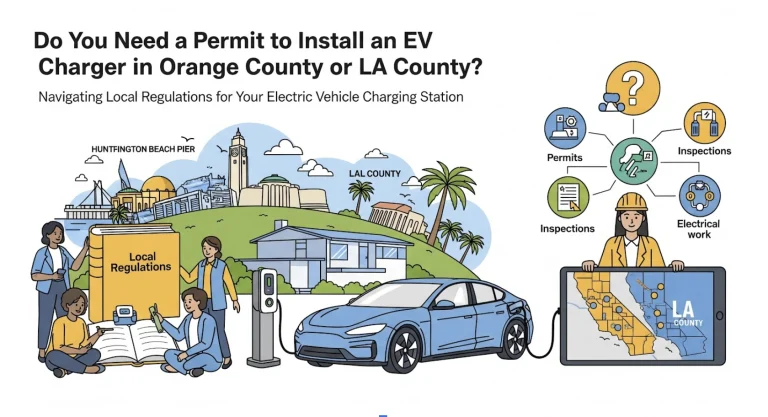
Before any work begins, you must understand your local municipality’s requirements for permitting for EV chargers and zoning ordinances.
1. Building Permits: Most EV charger installations, especially those involving new electrical circuits or significant site work, require a building permit from your city or county.
2. Electrical Permits: All electrical work must be permitted and inspected by qualified authorities to ensure safety and compliance with the National Electrical Code (NEC) and local amendments.
3. Zoning and Land Use: Some municipalities have specific zoning for EV chargers dictating location, quantity, and design. It’s crucial to check if your proposed installation aligns with local land-use plans.
4. Historic District Review: If your property is in a historic district, additional approvals might be needed to ensure aesthetic compatibility.
Electrical Codes and Safety Standards: Staying Up to Spec
Safety is paramount with any electrical installation. Electrical codes EV chargers must adhere to are stringent to prevent hazards, primarily governed by the National Electrical Code (NEC).
1. NEC Article 625: This specific article addresses Electric Vehicle Power Transfer System (EVPT) installations, outlining requirements for wiring, overcurrent protection, and grounding.
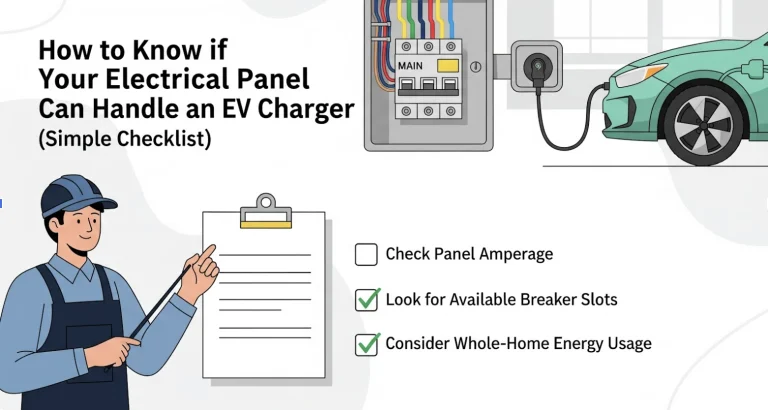
2. Load Calculations: Proper calculation of electrical load is essential to ensure your existing service can handle new demand without overloading, potentially necessitating electrical panel upgrades.
3. Ground Fault Circuit Interrupter (GFCI) Protection: Many EV charging circuits require GFCI protection to prevent electric shock.
4. Wire Sizing and Conduit: The correct wire gauge and appropriate conduit must be used to safely deliver power to the charging stations, preventing overheating and ensuring durability.
Accessibility for All: ADA Compliance for EV Chargers
Ensuring your commercial EV charger installation is accessible to individuals with disabilities is a legal requirement under the Americans with Disabilities Act (ADA). Neglecting ADA compliance EV can lead to legal issues.
1. Clearance Requirements: Charging stations must have adequate clear space around them for wheelchair access, including maneuvering room.
2. Reach Ranges: Controls, connectors, and payment mechanisms on the charger must be within accessible reach ranges for individuals in wheelchairs.
3. Accessible Routes: A clear, unobstructed path must connect accessible parking spaces and charging stations to your building’s entrance.
4. Signage: Accessible charging stations should be clearly marked with appropriate ADA signage.
Utility Company Coordination: Powering Your Progress
Your local electric utility company plays a crucial role in your commercial EV charger installation. Early communication can prevent significant delays and unexpected costs.
1. Service Upgrades: If your installation requires increased electrical capacity, the utility will need to assess and potentially upgrade your service. This process takes time and may incur costs.
2. Demand Charges: Commercial electricity tariffs often include demand charges. High-power EV chargers can significantly impact these, so understanding your utility’s rates and exploring load management is vital.
3. Interconnection Agreements: For large installations or those involving vehicle-to-grid (V2G) technology, formal interconnection agreements with the utility might be necessary.
A Step-by-Step Guide to Your Commercial EV Charger Installation
Embarking on a commercial EV charger installation project can seem daunting, but breaking it down into manageable steps ensures efficiency. This framework provides actionable guidance for a smooth deployment, optimizing for EV charging compliance and charging station ROI from the outset.
Step 1: Assess Your Needs and Site Suitability
Begin with a clear understanding of your goals and your site’s capabilities. Define your audience (customers, employees, fleet) and evaluate parking habits to determine charger type and quantity. Conduct an initial site survey of your electrical infrastructure and layout.
Step 2: Research Incentives and Funding Opportunities
This critical step can dramatically reduce your upfront investment. Explore federal programs, state and local incentives, and utility rebates. Early research into business EV charging incentives is key to maximizing your financial benefits.
Step 3: Partner with a Qualified EV Charging Installer
Choosing the right partner is perhaps the most important decision. Look for an experienced firm specializing in commercial EV charger installation. Ensure they offer comprehensive services, possess proper certifications and licensing, and provide references from other commercial clients.
Step 4: Navigate Permitting and Utility Upgrades
Your chosen installer should assist you with this complex phase, ensuring EV charging compliance with all relevant regulations. They should help with permit acquisition, liaise with your electric utility, and ensure design adheres to all electrical codes and ADA standards.
Step 5: Installation and Activation
Once permits are secured and the site prepared, physical installation begins. This includes site work, electrical hook-up, thorough testing, and commissioning to ensure proper function. Finally, the charging network software will be configured for optimal operation.
Step 6: Maintenance and Monitoring for Long-Term Success
Don’t view installation as the finish line. Ongoing management is crucial for maximizing your charging station ROI. Schedule regular maintenance, utilize remote monitoring software, keep charging software updated, and ensure clear user support processes.
Real-World Success: Case Studies in Commercial EV Charging
Hearing about theoretical benefits is one thing; seeing how commercial EV charger installation translates into tangible success for real businesses offers invaluable insight. These stories highlight the diverse applications and powerful returns awaiting forward-thinking business owners.
Boosting Retail Traffic: The Shopping Center Experience
“The Grove,” a shopping center, installed eight Level 2 and two DC fast chargers. They heavily marketed their new electric vehicle charging infrastructure. Within six months, they saw an uptick in weekend visitors, with customers using chargers spending 30-45 minutes longer. This boosted sales across various stores, proving that charging station ROI can significantly impact overall business health.
Empowering Employees: A Corporate Campus Case Study
InnovateTech, a tech company, installed 50 Level 2 chargers across its campus, offering free charging as an employee perk. This significantly boosted morale and became a powerful recruitment tool. The company saw an increase in applications and a measurable reduction in employee commute emissions, demonstrating a strong return on investment EV chargers can offer in human capital and brand value.
Optimizing Logistics: A Fleet Electrification Story
GreenDeliver, a delivery service, transitioned to an all-electric fleet, installing 25 Level 2 chargers at their depot for overnight charging. They implemented smart charging during off-peak hours. Over two years, GreenDeliver reported a 40% reduction in fuel expenses and a 60% decrease in maintenance costs. Supported by government grants EV programs, their commercial EV charger installation paid off handsomely, proving electric logistics’ economic viability.
Frequently Asked Questions About Commercial EV Charger Installation
1. What are the main types of commercial EV chargers and which is right for my business?
Level 2 (AC) chargers are ideal for longer dwell times (workplaces, hotels). DC Fast Chargers (Level 3) are for quick stops (highway rest stops, fleet depots). The right choice depends on your target users’ needs and your budget for EV charging station cost.
2. How much does it cost to install commercial EV charging stations?
Commercial EV charger installation pricing varies. Level 2 hardware is $2,000-$7,000 per port; DC Fast Chargers are $25,000-$100,000+. Installation costs often equal or exceed hardware, ranging from a few thousand to tens of thousands per port depending on site complexity. Factor in ongoing network fees and electricity costs.
3. Are there any government incentives or tax credits for commercial EV charger installation?
Absolutely! Federal, state, and local programs offer business EV charging incentives. The federal Alternative Fuel Vehicle Refueling Property Credit offers savings. Many states provide rebates or grants. Utility companies also have programs. Researching these government grants EV opportunities is crucial for improving your charging station ROI.
4. What are the key compliance requirements I need to be aware of?
EV charging compliance involves building and electrical permits from local authorities, adhering to the National Electrical Code (NEC) and local amendments. ADA compliance EV guidelines dictate accessibility. Coordination with your local utility for service upgrades and understanding their tariffs is also essential.
5. How do I calculate the ROI for my commercial EV charging stations?
Calculating the return on investment EV chargers provide involves direct charging revenue plus reduced upfront costs from incentives (grants, tax credits EV chargers). Also, factor in increased customer foot traffic, enhanced employee satisfaction, and significant brand value as a sustainable business. For fleets, consider substantial fuel and maintenance savings. A good installer can help model these returns.
Final Thoughts: Powering Your Business into an Electric Future
The transition to electric vehicles is a present reality, shaping consumer behavior and business operations. For forward-thinking business owners, commercial EV charger installation is a strategic imperative. By understanding commercial EV charger installation pricing, meticulously calculating charging station ROI, and diligently navigating EV charging compliance, you can transform an infrastructure upgrade into a powerful catalyst for growth and sustainability. Don’t be left behind as the electric revolution accelerates. Partner with experts to ensure your investment is smart, compliant, and profitable. Take the proactive step to power your business into an electric, and more prosperous, future.