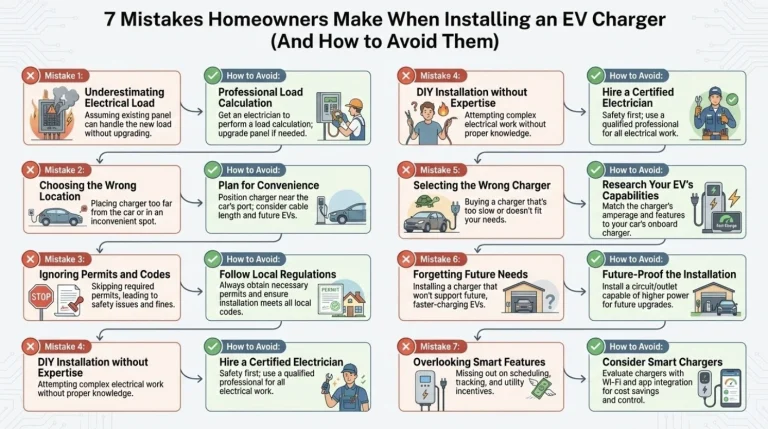
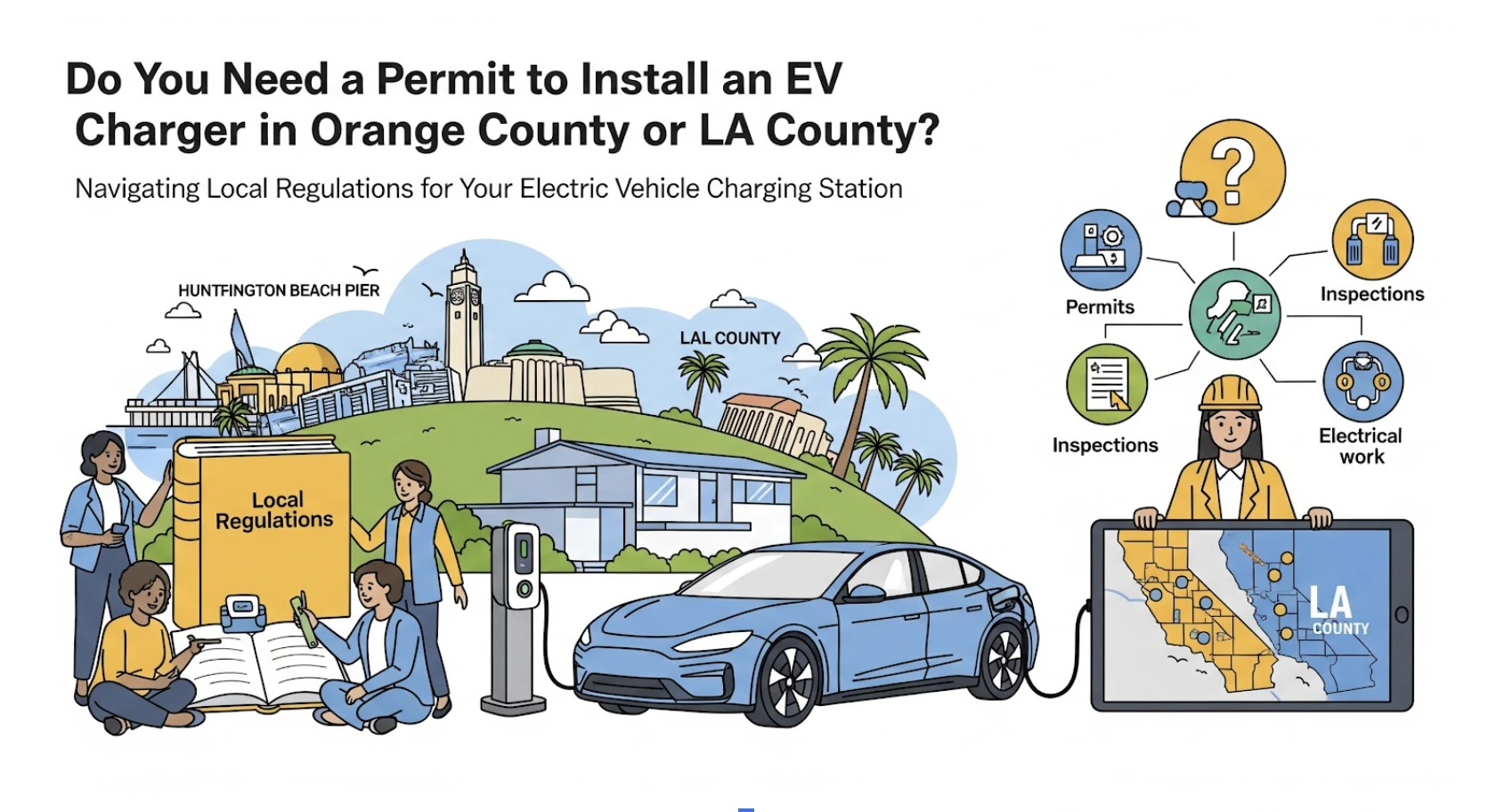
Are you envisioning the ultimate convenience of charging your electric vehicle right at home, yet feeling overwhelmed by local regulations? You’re not alone. In Orange County and Los Angeles County, the widespread adoption of EVs brings a crucial question: Do you need a permit to install an EV charger, and why does it even matter? This guide clarifies everything, ensuring your home charging station is safe and compliant.
Unlocking Home Charging: The Essential Guide to EV Charger Permits in Southern California
As California continues to lead the charge in electric vehicle adoption, more homeowners and small businesses aim to install dedicated EV charging stations. The allure of a fully charged car is powerful. However, understanding local permitting requirements is a critical, often overlooked step before purchasing a charger.
The short answer is almost always yes, you will need a permit for EV charger installation. Navigating specific permit processes for an EV charger installation in Orange County or Los Angeles County can feel daunting. This guide clarifies the regulations, ensuring your EV charging station is installed safely and legally.
Understanding the Fundamental ‘What and Why’ of EV Charger Permits
Before county-specific details, grasp core reasons behind EV charger permitting. An electric vehicle charging station, like a Level 2 charger, significantly impacts electrical infrastructure. It demands substantial power, often needing dedicated circuits and new wiring or electrical panel upgrades.
What exactly is an EV charger permit? It’s official authorization from your local jurisdiction for electrical work. This ensures adherence to the California Building Code, National Electrical Code (NEC), and local ordinances, guaranteeing safety standards.
Why is a permit so vitally important for an EV charger installation? Primary drivers are safety, legal compliance, and asset protection. Improper electrical installations risk fire hazards and shocks. Permitting ensures a qualified, licensed electrician performs inspected work, safeguarding your property and investment.
Charting Your Course in Orange County: Comprehensive Permit Requirements for EV Chargers
Orange County, a hub for electric vehicle adoption, embraces EV charging infrastructure. Specific EV charger installation permit requirements vary slightly between cities like Irvine and Anaheim. Any permanent EV charging station, especially a Level 2 charger, will generally need an electrical permit.
Most Orange County jurisdictions prioritize safety and electrical integrity. They ensure existing electrical service handles the load, proper wiring, and adequate ventilation. A licensed electrician specializing in EV charger installations will navigate your city’s specific nuances.
Consider a homeowner in Irvine upgrading to a faster Level 2 charging station. They assumed their electrical panel was sufficient. However, a licensed electrician advised a dedicated 240V circuit needed an electrical permit. This diligence ensured safety, preventing overloading and providing peace of mind.
Key Steps for Securing Your Orange County EV Charger Permit with Confidence
The permitting journey for an EV charger installation in Orange County involves several distinct steps for a safe, efficient, and compliant outcome. Here’s a general framework that applies to most cities within the county:
- Step 1: Research Local City Requirements: Crucially, check your specific city’s building department website (e.g., City of Anaheim, City of Irvine). Many offer expedited permit processes or online portals for EV chargers.
- Step 2: Engage a Licensed Electrician with EV Experience: This is critical. A licensed electrician experienced in EV charger installations will assess your electrical system, perform load calculations, and identify any needed electrical panel upgrades. They draw up necessary electrical diagrams and site plans.
- Step 3: Prepare and Submit the Permit Application: Your electrician generally handles this. The package includes charger details (make, model, amperage), load calculations, a site plan, and wiring diagrams. Be aware of varying application fees.
- Step 4: Undergo Plan Review: The city’s building department reviews plans for compliance with state and local electrical and building codes. This can take days to weeks, with potential requests for corrections.
- Step 5: Schedule and Facilitate Inspections: After permit issuance and installation begins, various city inspections occur. A rough-in inspection may precede wall closure, followed by a final inspection verifying complete installation aligns with approved plans and codes.
- Step 6: Final Approval and Permit Closure: Successfully passing all inspections leads to official permit closure. This formally acknowledges your EV charger installation as safe, compliant, and legally recognized.
Illuminating Los Angeles County: Permit Essentials for Your EV Charging Needs
Los Angeles County, a major proponent of sustainable infrastructure, sees common EV charger installations. Its robust permitting ensures safety and manages electrical demand. Requirements vary significantly between cities (e.g., City of Los Angeles, Long Beach) and unincorporated areas under LA County Public Works.
Whether installing a Level 2 charger at home in Santa Monica or planning commercial EV chargers in the San Gabriel Valley, an electrical permit is almost certainly needed. The county and its cities ensure existing electrical panels accommodate increased load and installations meet stringent fire and electrical safety codes in dense urban environments.
Consider a small business in downtown Los Angeles installing two Level 2 chargers. Beyond an electrical permit from LADBS, their multi-tenant building needed structural reviews and fire department approvals. This highlights the importance of comprehensive planning and professional guidance for complex commercial setups.
Essential Procedures for Your LA County EV Charger Permit Application
Securing an EV charger permit in Los Angeles County follows a structured approach, with potential for greater complexity due to numerous jurisdictions. Here’s a general guide:
- Step 1: Identify Your Specific Jurisdiction: Determine if your property is in an incorporated city (e.g., City of Los Angeles, Long Beach) or an unincorporated area under LA County. Each has unique forms, fees, and procedures. The City of Los Angeles Department of Building and Safety (LADBS) has a well-developed online system.
- Step 2: Consult with a Qualified Electrical Contractor Familiar with LA County Codes: An electrician licensed for LA County is indispensable. They perform precise load calculations, determine service panel upgrades, and prepare detailed electrical drawings meeting local code requirements.
- Step 3: Complete and Submit the Permit Application Package: The package requires detailed plans, including charger equipment specifications, electrical diagrams, and a site plan. Many LA County jurisdictions offer online permitting. Expect application fees based on the city and scope of work.
- Step 4: Navigate the Plan Check Review Process: The building department thoroughly reviews plans for compliance with the California Electrical Code and local amendments. This stage often involves requests for corrections or additional information.
- Step 5: Facilitate Required Inspections During and After Installation: Once the permit is issued, a series of inspections occur. These verify the physical installation adheres to approved plans and meets safety standards. Common inspections include rough electrical and a final inspection.
- Step 6: Receive Final Approval and Permit Closure: Upon successful completion and passing all required inspections, your permit will be officially closed, formally validating your EV charger installation as safe, compliant, and legal.
Overcoming Hurdles: Common Challenges and Expert Insights for EV Charger Permitting
While the permitting process aims for clarity and safety, several common challenges can arise, potentially delaying your EV charger installation. Being aware of these typical hurdles helps you prepare and avoid unnecessary frustrations.
- Electrical Panel Capacity Limitations: Many older homes lack capacity for new EV chargers. A service panel upgrade or replacement is common, adding cost and complexity to the project.
- Submitting Incomplete or Incorrect Plans: Errors in electrical diagrams, missing load calculations, or inadequate site plans frequently delay or reject permit applications. Precise documentation from an experienced electrician is crucial.
- Navigating Homeowners Association (HOA) Rules and Architectural Review Boards: If your property is in an HOA community, their approval is needed alongside city/county permits. HOAs have rules on exterior modifications, wiring visibility, and charger aesthetics, adding review layers.
- Understanding Specific City Amendments to Statewide Codes: Individual cities and counties can adopt local amendments to statewide electrical and building codes. What’s acceptable in one city may require modifications in another, even within the same county.
Expert Recommendations for a Smooth EV Charger Installation and Permitting Experience
To ensure a hassle-free journey from planning to convenient home charging, consider these expert tips for a smooth EV charger installation and permitting experience:
- Start the Process Early: Don’t wait until your EV arrives. Permitting and installation can take weeks or months, especially with significant electrical panel upgrades. Proactive planning is key.
- Hire a Specialist Electrician: Choose an electrician with documented experience in EV charger installations in your specific Orange County or LA County area. They understand local codes and can expedite the process. Always verify licensing and insurance.
- Maintain Clear and Open Communication: Foster open communication with your electrician, HOA (if applicable), and building department. Promptly respond to requests to keep the process efficient.
- Budget for All Potential Costs: Factor in permitting fees, potential electrical panel upgrades, new wiring, conduit, and labor. Obtain multiple detailed quotes to prevent unexpected expenses.
- Explore Available Incentives and Rebates: California offers various rebates, tax credits, and incentive programs for EV charger installations from the state and utility companies. Research these early, as some require pre-approval or specific equipment to qualify.
The Indisputable Value: Why Proper Permitting for Your EV Charger is an Investment
While the permitting process might seem like an extra layer of complexity, it offers undeniable benefits. Viewing proper permitting as an investment, not just an obligation, shifts perspective.
- Guaranteed Safety is Paramount: A properly permitted and inspected EV charger installation significantly reduces risks of electrical fires, shocks, and damage. You gain peace of mind knowing your charging station meets stringent safety standards.
- Protecting Your Significant Investment: Your EV charger and electrical upgrades represent a considerable property investment. Permitting ensures correct installation, extending lifespan, optimizing performance, and preventing costly future repairs from non-compliant work.
- Ensuring Comprehensive Insurance Coverage: In an electrical malfunction or fire related to your EV charger, your homeowner’s insurance might deny a claim if installation was unpermitted. Proper permitting ensures coverage and protection against financial losses.
- Preserving and Enhancing Your Property’s Resale Value: A properly permitted EV charging station is an attractive selling point for future property sales, appealing to EV owners. An unpermitted installation becomes a liability during home inspection.
- Complete Compliance with Local Regulations: Adhering to permitting avoids fines, forced removal of unpermitted installations, and costly legal issues. Compliance protects you from penalties and ensures legal recognition.
Frequently Asked Questions About EV Charger Permits in Orange County and LA County
Do I Need a Permit for a Level 1 EV Charger Installation?
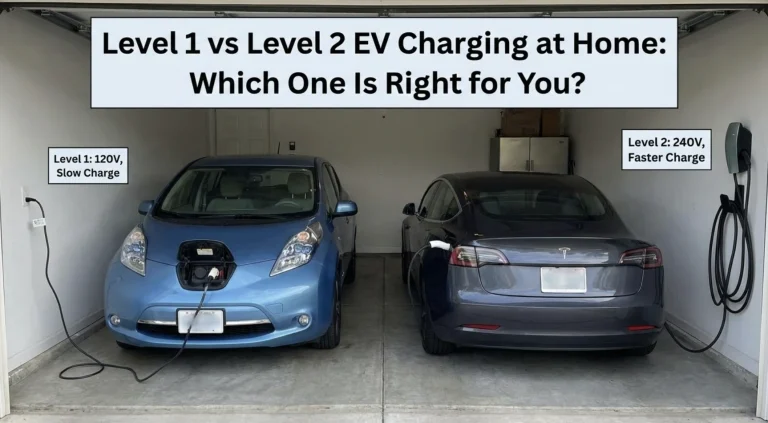
Generally, no. Level 1 chargers plug into a standard 120-volt outlet, needing no new dedicated wiring. However, if installing a new outlet or if the existing circuit is overloaded, an electrical permit for that specific outlet might be required for safety.
How Long Does it Typically Take to Get an EV Charger Permit in Orange County or LA County?
The timeline varies significantly by city, project complexity, and building department workload. A straightforward Level 2 installation without an electrical panel upgrade might take days to a couple of weeks. Panel upgrades or complex commercial installations could extend this to several weeks or months.
What are the Potential Consequences of Installing an EV Charger Without a Permit?
Installing without a permit can lead to significant fines, mandated removal, or costly retrospective code compliance. More critically, it creates severe safety hazards, potentially voids home insurance, and causes major issues during a future property sale.
Does My Homeowners Association (HOA) Approval Replace a City or County Permit?
No, HOA approval is a separate process and does not replace the mandatory city or county permit. HOA ensures compliance with community rules and aesthetics, while the city/county permit ensures safety standards, electrical codes, and structural integrity.
Can I Install the EV Charger Myself and Still Get a Permit?
Some jurisdictions allow homeowners to pull permits, but EV charger installation involves complex electrical work and safety risks. It’s highly recommended to use a licensed and experienced electrician. Most building departments prefer or require a licensed contractor for expertise, safety, and compliance.
Final Thoughts on Powering Your EV Journey: Your Next Steps to a Permitted Charger
The journey to installing an EV charger in Orange County or LA County, while involving permits, is manageable when approached correctly. Securing proper permits safeguards your investment, ensures ultimate safety, and guarantees compliance with vital electrical and building codes. It’s a testament to responsible ownership, paying dividends in peace of mind. Engage qualified professionals and diligently follow outlined steps to navigate the permitting landscape. View it as an integral part of making your home or business fully EV-ready, safely and legally.
Ready to take the crucial next step towards convenient and secure home or business charging for your electric vehicle?
Your Call to Action:
Contact a local, licensed electrician specializing in EV charger installations today. They can provide a professional assessment of your property’s electrical system, discuss specific county and city requirements, and expertly guide you through the entire permitting, installation, and inspection process. Invest in professional expertise for a seamless, safe, and fully secure charging experience that will serve you well for years to come.