Are you one of the millions considering or already driving an electric vehicle, but feel overwhelmed by the charging options? Did you know that choosing the wrong home charging setup could lead to daily range anxiety, frustrating delays, or unnecessary expenses? Imagine never having to worry about finding a public charger again, waking up every morning with a full “tank” – but is that convenience worth the investment? Let’s unlock the secrets of home EV charging, so you can make an informed decision that perfectly fits your lifestyle and budget. This guide will help you choose your ideal electric vehicle charging solution.
Understanding the Basics of EV Home Charging
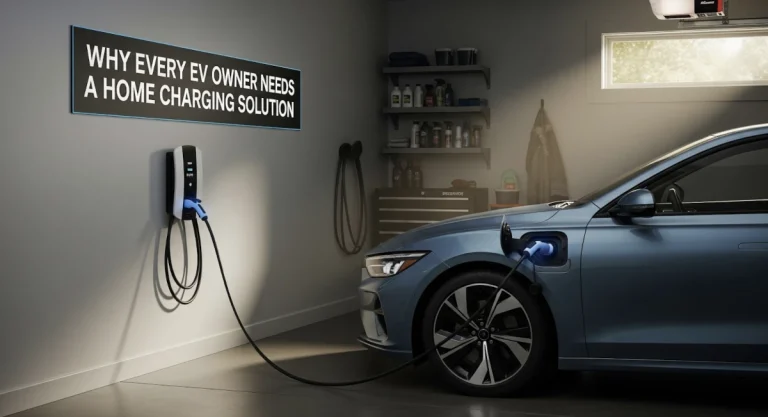
The rise of electric vehicles is a revolution in how we commute. While public EV charging stations are available, nothing beats the convenience and cost-effectiveness of charging your electric vehicle right at home. It’s like having your personal gas station, open 24/7.
Home charging eliminates the need for detours, waiting, or searching for an available public charger. It ensures you start each day with a sufficient battery, ready for your commute or adventures. For many, home charging is the cornerstone of a stress-free EV ownership experience. However, not all home charging is created equal; understanding the differences between Level 1 and Level 2 EV charging is crucial.
Decoding Level 1 EV Charging: The Everyday Solution
What is Level 1 Charging and How Does It Work?
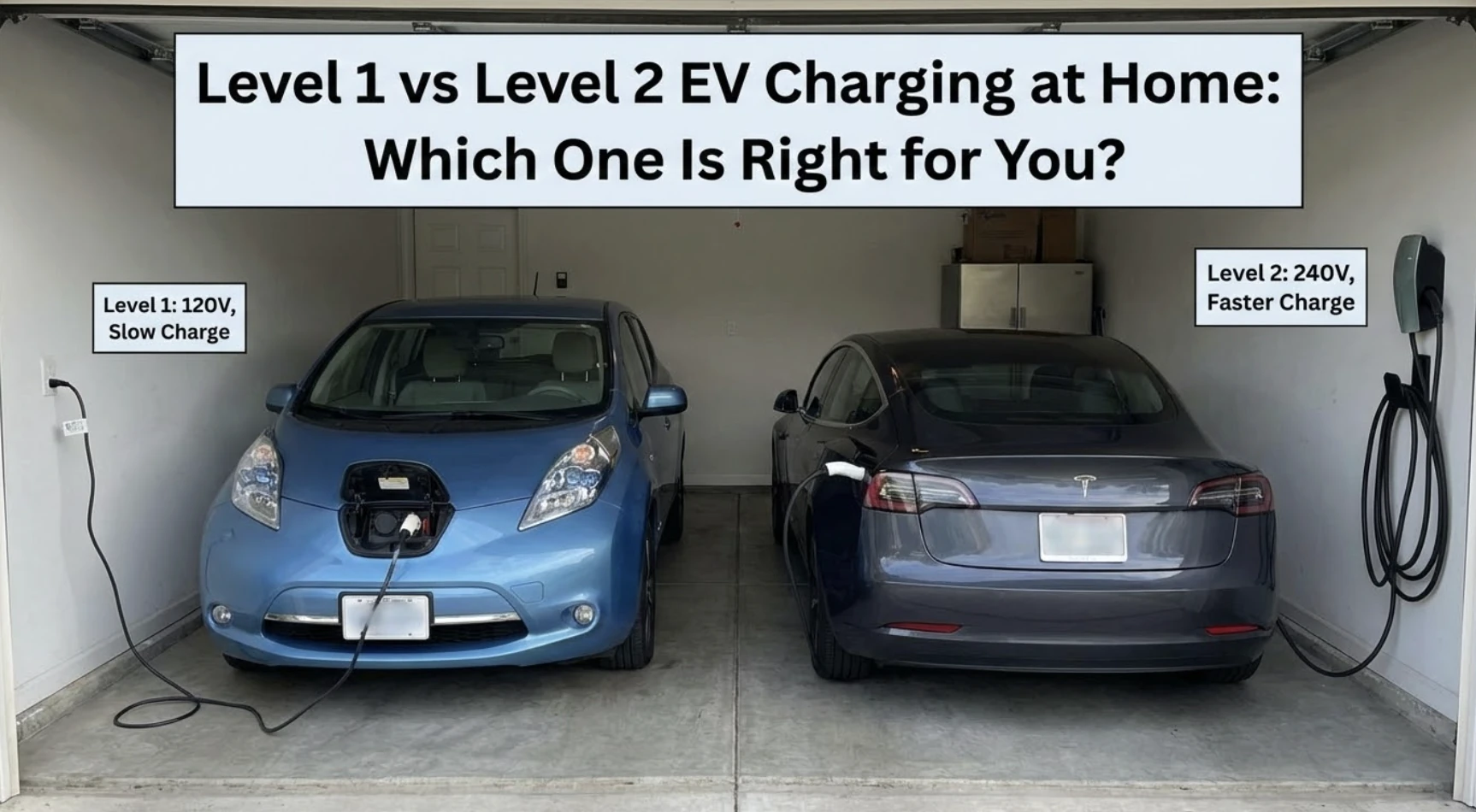
Level 1 EV charging is the simplest and most accessible form of charging at home. It uses a standard 120-volt AC outlet, like those for household appliances. Every electric vehicle comes with a portable charging cord, connecting directly to any three-prong wall socket. The connector is almost universally the J1772 standard in North America, compatible with virtually all EVs (Teslas use an adapter).
There’s no special installation required for Level 1 charging; you simply plug it in. This ease of use is a significant advantage, but it comes with a notable trade-off in speed. It’s an ideal option for those with minimal daily driving needs or who can leave their car plugged in for extended periods, making it a foundational home EV charger solution.
Key Advantages of Level 1 Charging for Homeowners
The primary benefit of Level 1 charging is its unbeatable affordability and simplicity. It uses existing household outlets, so there’s no additional equipment to purchase beyond what comes with your car, and no installation costs. This makes it a cost-effective entry point for new EV owners looking to minimize initial expenses.
Furthermore, Level 1 charging offers maximum accessibility. If you have a garage or a driveway with an outdoor outlet, you likely have a suitable power source. This means you can charge your EV almost anywhere you can park it near an outlet, offering flexibility. It’s literally plug-and-play, smoothing the transition to EV ownership without altering your home’s electrical system.
Limitations and Real-World Scenarios for Level 1
The main limitation of Level 1 charging is its slow charging speed, delivering about 3 to 5 miles of range per hour. Fully charging a modern EV with a large battery could take several days. For instance, if you drive 40 miles a day, Level 1 charging overnight (10 hours) adds only 30-50 miles, barely replacing daily usage. This pace is fine for drivers with short commutes or those who don’t drive daily.
Consider Maria, who drives 15 miles to work and primarily around town. Plugging her EV in every evening easily replenishes her used miles. For Maria, Level 1 charging is sufficient and cost-effective, with zero installation fuss. However, for a driver with an 80-mile round trip, Level 1 might quickly lead to range anxiety and the need for frequent public charging.
Unpacking Level 2 EV Charging: The Power Upgrade
What is Level 2 Charging and How Does It Transform Your Experience?
Level 2 EV charging significantly steps up from Level 1. This method uses a 240-volt AC outlet, similar to those for electric clothes dryers or ranges. Because of the higher voltage, Level 2 delivers a much faster and more efficient charge. While Level 1 offers 3-5 miles of range per hour, Level 2 charging typically provides anywhere from 25 to 40 miles of range per hour, depending on the charger and your EV’s onboard capacity. This dramatic increase means you can often fully recharge your EV overnight.
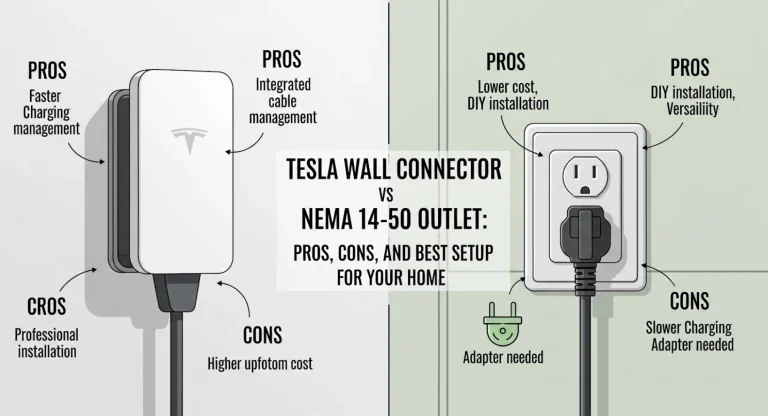
To install a Level 2 charger, you’ll typically need a dedicated 240-volt circuit and an Electric Vehicle Supply Equipment (EVSE) unit. It is highly recommended to have a licensed electrician handle the installation to ensure safety and compliance. The J1772 connector remains the standard for the vehicle connection, ensuring broad compatibility for your home EV charger.
Significant Benefits of Embracing Level 2 Charging at Home
The most compelling advantage of Level 2 charging is its superior speed. Imagine plugging in your EV after work and waking up to a completely full battery every morning, even after driving hundreds of miles. This eliminates range anxiety for most drivers and simplifies long-distance travel planning. For families with multiple EVs or those who take impromptu trips, this fast turnaround time is invaluable for an optimal electric vehicle charging experience.
Beyond speed, Level 2 chargers offer enhanced convenience. Many modern units come with smart features such like Wi-Fi connectivity and mobile app control. This allows you to schedule charging sessions to take advantage of off-peak electricity rates, saving money on your utility bill, and to monitor your charging status remotely. Investing in Level 2 EV charging also future-proofs your home, adding a valuable amenity that increases property appeal.
Considerations and Potential Hurdles with Level 2 Installation
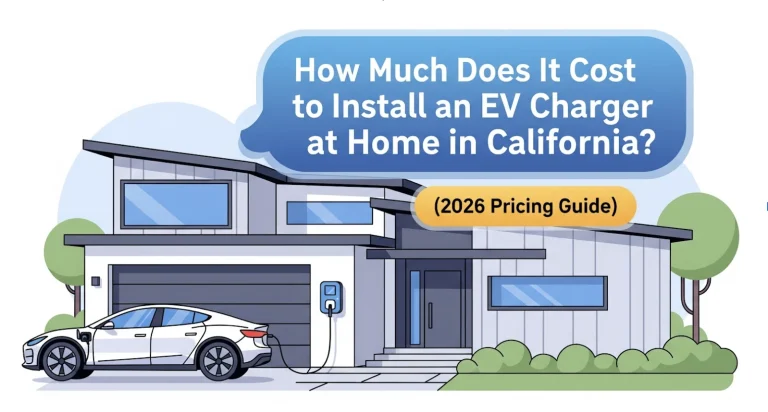
While the benefits of Level 2 charging are substantial, there are considerations. The most significant is the initial cost. You’ll need to purchase a Level 2 EVSE unit ($300-$1,000+) and pay for professional installation. Installation costs vary widely ($500-$2,000+) based on your home’s existing electrical infrastructure, distance to the electrical panel, and local labor rates.
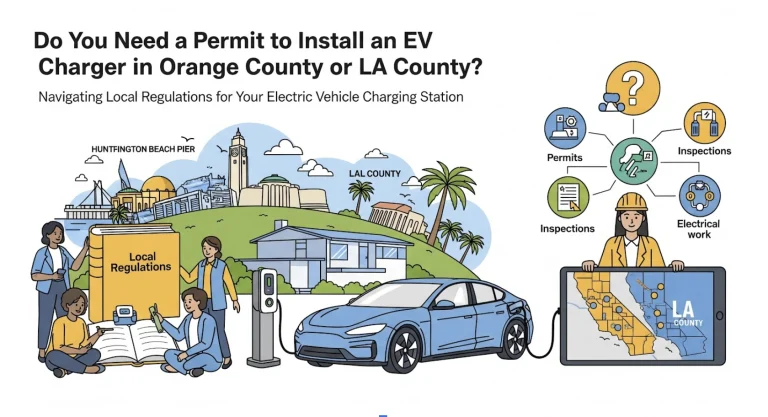
Another hurdle is your home’s electrical panel capacity. Older homes might require an electrical panel upgrade, adding to the overall cost and complexity. Additionally, many municipalities require permits for Level 2 charger installations. It’s essential to check local planning departments. Despite these considerations, for many EV owners, the daily convenience and peace of mind provided by Level 2 EV charging far outweigh the initial investment, especially with potential rebates and tax credits for EV chargers.
Direct Comparison: Level 1 vs. Level 2 – A Side-by-Side Look
Charging Speed: The Most Critical Differentiator
When comparing Level 1 and Level 2 charging, speed is undoubtedly the most significant difference. Level 1 charging, from a standard 120V outlet, delivers a modest 3 to 5 miles of range per hour. This is a trickle charge, best for topping off a battery over a very long period or for those with incredibly short daily commutes.
In stark contrast, Level 2 charging, utilizing a 240V circuit, boosts charging rates to an impressive 25 to 40 miles of range per hour. This means 100 miles of needed range could be added in just 2.5 to 4 hours, compared to 20-33 hours with Level 1. This rapid replenishment is a game-changer for most EV drivers, allowing complete overnight charges even for large battery packs. For those who drive frequently or longer distances, the speed advantage of Level 2 is indispensable for home EV charging.
Installation and Cost: What to Expect for Your Budget
The financial implications and installation requirements are another major point of divergence. Level 1 charging is the most economical choice, requiring no specific installation or additional equipment beyond the charging cable. This means zero upfront costs for charging infrastructure, making it appealing for budget-conscious buyers.
Level 2 charging involves a greater initial investment. You’ll need to purchase an EVSE unit ($300-$1,000+) and incur installation costs for a dedicated 240V circuit by a licensed electrician ($500-$2,000+). These costs vary widely, especially if an electrical panel upgrade is needed. However, research federal, state, and local incentives or rebates for EV chargers, as these can significantly reduce the overall expense.
Convenience and Lifestyle Fit: Matching Charging to Your Needs
Ultimately, the choice between Level 1 and Level 2 charging boils down to how each option integrates with your lifestyle. Level 1 charging offers unparalleled simplicity and passive convenience. If you have a predictable, short daily commute (under 30-40 miles), can reliably plug in overnight, and are not in a rush to fully charge, Level 1 might be perfectly adequate.
On the other hand, Level 2 charging provides a superior level of daily convenience and peace of mind. For high-mileage drivers, families with multiple EVs, or those who frequently embark on longer journeys, Level 2 becomes almost essential. The ability to fully recharge a large battery pack overnight means you rarely have to think about charging during your day. Smart Level 2 chargers add another layer of convenience, allowing you to schedule charging for off-peak hours and monitor usage, seamlessly integrating into a busy lifestyle.
Making the Right Choice: Actionable Steps for Homeowners and Small Businesses
Assess Your Driving Habits and Daily Range Needs
Before deciding, honestly evaluate your typical driving patterns. How many miles do you drive on an average workday? Do you take frequent weekend trips? If your daily commute is consistently under 30-40 miles and you have predictable overnight access to an outlet, Level 1 charging might be sufficient. However, if your daily mileage frequently exceeds 50 miles, Level 1 will likely lead to range anxiety and necessitate public charging. For small businesses using EVs for deliveries, understanding cumulative daily mileage is key to operational efficiency for electric vehicle charging.
Evaluate Your Home’s Electrical Infrastructure and Budget
Next, assess your home. Do you have an unused 240-volt outlet (like for a dryer) near your parking spot? If not, consult a licensed electrician to see if your electrical panel has enough capacity for a new 240-volt circuit. An older home might require an expensive electrical panel upgrade. Gather multiple quotes for installation costs, which can vary widely.
Beyond installation, consider your budget for the EVSE unit itself. Factor in these costs alongside potential electrical upgrades and installation fees. Don’t forget to research federal, state, and local incentives or rebates for EV chargers, as these can significantly offset the initial investment, making Level 2 EV charging more accessible for homeowners and small businesses.
Future-Proofing Your Investment: Thinking Beyond Today’s EV
When making a decision about your home charging setup, it’s wise to think beyond your current electric vehicle. EV technology is rapidly evolving, with increasing battery capacities and charging speeds. If you anticipate upgrading to a new EV or adding another electric vehicle in a few years, investing in a Level 2 charger now could save you time and money. A Level 2 charger can efficiently handle larger batteries and faster charging capabilities of future models.
Furthermore, consider the long-term value to your property. A home equipped with a properly installed Level 2 EV charger is an attractive feature for potential buyers in today’s market. It adds a modern amenity that can increase your home’s appeal and resale value. For small businesses, offering Level 2 charging to employees or customers enhances your brand image and provides a competitive edge. By looking ahead, you ensure your home EV charging solution remains relevant and beneficial for years to come.
Case Study: Sarah’s Commute and Mark’s Family EV
Let’s illustrate with two scenarios. Sarah, a graphic designer, commutes 20 miles round trip three times a week and uses her compact EV for errands. Her total weekly mileage rarely exceeds 100 miles. She has a standard 120V outlet in her garage. For her, a Level 1 charger is perfectly adequate. She plugs in every evening, and the 30-40 miles replenished easily cover her daily needs. She appreciated the zero upfront cost and simple plug-and-play setup.
On the other hand, Mark lives in a rural area, with a 60-mile round-trip commute. His family’s activities add another 30-40 miles evenings, plus weekend trips 150 miles away. Mark initially tried Level 1 but faced constant range anxiety and relied on inconvenient public fast chargers. After assessing his habits, he invested in a Level 2 charger. Now, he plugs in his SUV after returning home, and by morning, the 250+ miles of range are fully restored. The upfront investment was significant, but the peace of mind and daily convenience make Level 2 the right choice for his family’s demanding EV lifestyle.
Expert Insights and Tips for Optimal Home Charging
Understanding Time-of-Use Rates and Smart Charging
To maximize cost savings with home EV charging, especially with a Level 2 setup, understand your utility company’s time-of-use (TOU) electricity rates. Many providers offer varying prices, with lower rates during off-peak hours (often overnight). By scheduling your EV to charge during these cheaper periods, you can significantly reduce your electricity bill. This strategy can save hundreds of dollars annually, making your Level 2 EV charger investment more economical.
This is where smart chargers become invaluable. Most modern Level 2 chargers have Wi-Fi connectivity and mobile apps, allowing you to easily schedule charging sessions, monitor energy consumption, and integrate with smart home systems. Some can even dynamically adjust charging based on grid demand, further optimizing your strategy. Leveraging these features ensures you’re not just charging fast, but also charging smart and saving money.
Safety First: Essential Considerations for EV Charger Installation
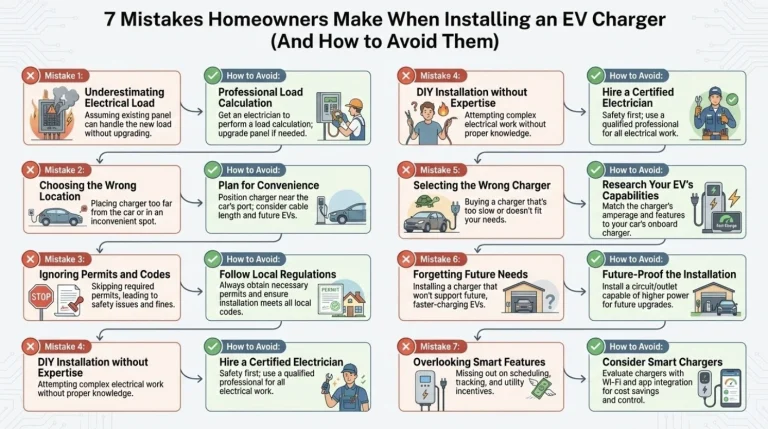
While home EV charging is convenient, safety must always be the top priority, especially for higher voltage Level 2 installations. For Level 1 charging, ensure your 120V outlet is in good condition and not overloaded. However, for Level 2 charging, which requires a dedicated 240V circuit, professional installation by a licensed and certified electrician is essential. Attempting DIY Level 2 installation without expertise can lead to serious hazards.
A qualified electrician will ensure the charging circuit is properly wired, protected by an appropriately sized circuit breaker, and meets all local electrical codes. They will assess your home’s electrical panel capacity, recommending an electrical panel upgrade if necessary. Prioritizing professional installation and adherence to safety guidelines provides peace of mind and protects your home, family, and valuable electric vehicle.
Exploring Potential Rebates, Incentives, and Tax Credits
One of the best ways to make Level 2 EV charging more affordable is to leverage available financial incentives. Governments at federal, state, and local levels, plus many utility companies, offer rebates, incentives, and tax credits for EV chargers. For example, the federal government often offers tax credits for purchasing and installing qualified residential clean energy property, including EV chargers.
Many states provide their own incentives, from direct rebates on EVSE units to credits for installation costs. Your local utility company is also a valuable resource, often offering programs to offset the cost of a Level 2 charger. It is highly advisable to research all available programs in your specific area before making a purchase or beginning installation. A quick search can reveal opportunities to save money and make your home EV charger investment even more attractive.
Your Burning Questions About Home EV Charging Answered
Can I use Level 1 and Level 2 charging simultaneously?
No, you cannot use Level 1 and Level 2 charging simultaneously on the same electric vehicle. Your EV has only one charging port. You can switch between them, for example, using Level 1 for a casual overnight top-up and Level 2 for a quicker charge when needed.
Is Level 2 charging bad for my EV’s battery?
No, Level 2 charging is generally not bad for your EV’s battery. Modern electric vehicles have sophisticated Battery Management Systems (BMS) that protect the battery. Level 2 charging uses alternating current (AC) and is considered “normal” or “slow” charging, much gentler than DC fast charging. Using Level 2 daily is perfectly safe.
How much does it typically cost to install a Level 2 charger?
The cost to install a Level 2 charger varies significantly, typically ranging from $500 to $2,000, not including the charger unit itself ($300-$1,000+). Factors include distance from your electrical panel, whether an electrical panel upgrade is needed, and local labor rates. Get multiple quotes from licensed electricians.
Do I need a special permit for Level 2 charger installation?
In most municipalities, yes, a special electrical permit is required for Level 2 charger installation. This involves a new, dedicated 240-volt circuit and modifications to your home’s electrical system, which must comply with local codes. Your licensed electrician will typically handle the permit application.
What if I live in an apartment or condo? What are my options?
If you live in an apartment or condo, home charging can be challenging but possible. Options include advocating for shared EV charging stations with your building management, exploring a dedicated Level 1 outlet in your parking space, or relying on public Level 2 or DC fast charging stations nearby.
Powering Your EV Journey with the Right Home Charging Solution
The journey to electric vehicle ownership is exciting, promising sustainable travel and reduced emissions. At the heart of a seamless EV experience lies the right home charging solution. By understanding the core differences between Level 1 and Level 2 EV charging, you are now empowered to make a decision that aligns with your driving habits, budget, and long-term goals.
We’ve explored how Level 1 charging offers simplicity and affordability for low-mileage drivers, while Level 2 charging provides the speed, convenience, and smart features essential for daily commuters and families. Remember to assess your daily mileage, evaluate your home’s electrical capacity, and prioritize safety with professional installation for Level 2. Don’t forget to explore the many rebates and incentives for EV chargers. Your EV, and your peace of mind, will thank you.