Does the thought of owning an electric vehicle truly excite you, yet the daunting idea of installing a home charger fill you with absolute dread? You’re certainly not alone in this feeling. Many homeowners jump into EV charger installation without fully understanding the complexities, leading to costly mistakes, safety hazards, and endless frustration. But what if you could sidestep these common pitfalls entirely, ensuring a smooth, safe, and efficient charging setup from day one? This comprehensive guide will empower you to navigate the entire installation process with complete confidence and ease.
The Electrifying Reality: Why Home EV Charging Matters More Than You Think
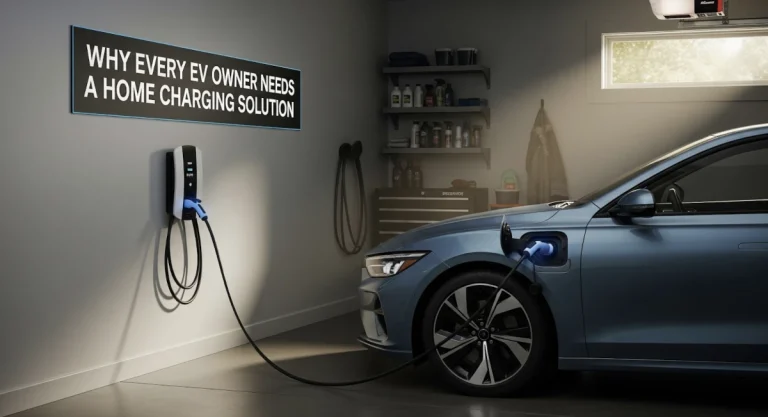
The rise of electric vehicles is a monumental shift in how we move. Home EV charging transforms your garage into a personal fuel station, offering unparalleled convenience and significant long-term savings. It’s a core component of EV ownership, but proper planning and execution are paramount. A well-installed home EV charging setup ensures safety and optimizes charging speeds.
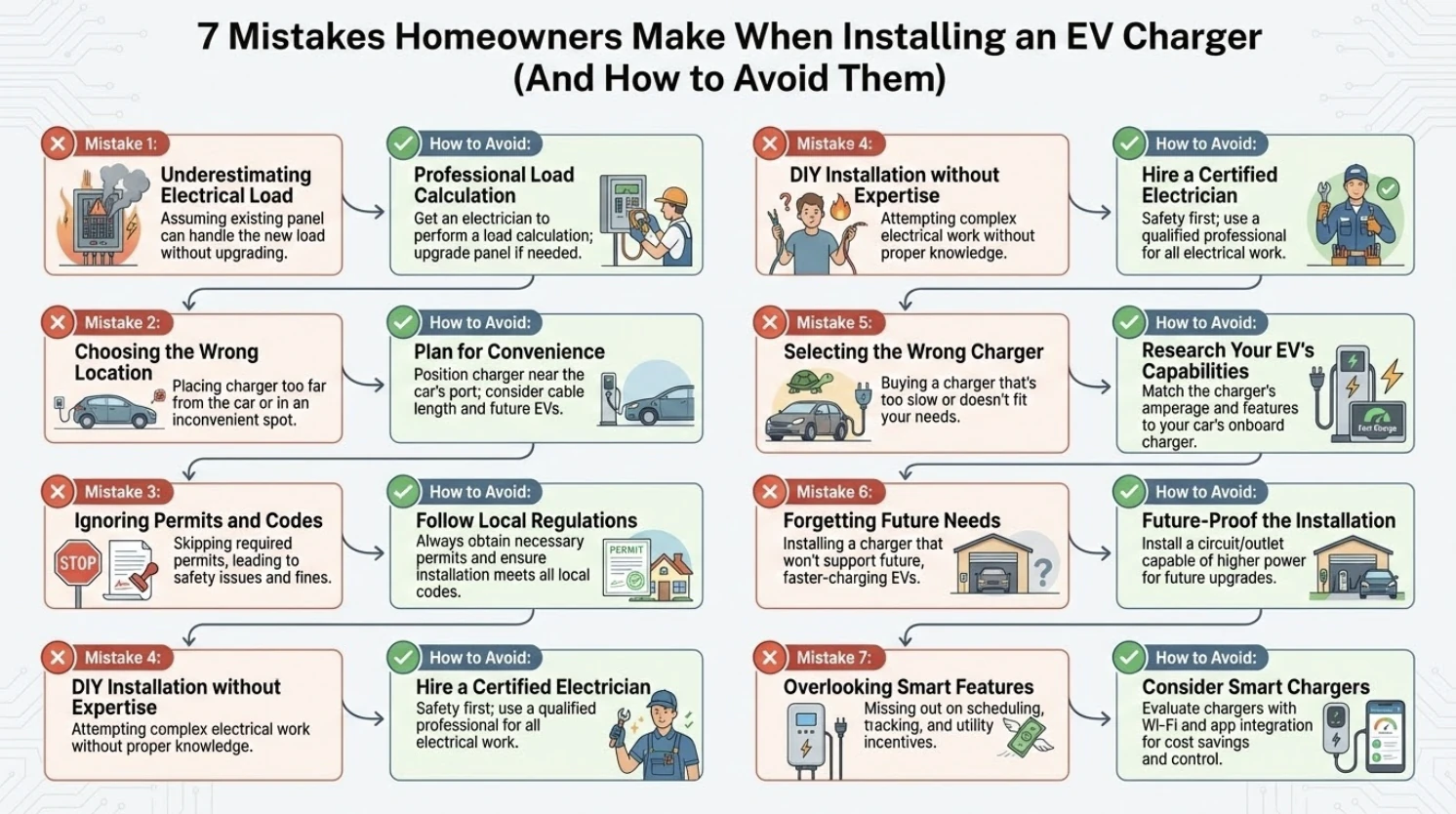
Decoding the Common Pitfalls: Seven Mistakes Homeowners Frequently Make During EV Charger Installation
Embarking on home EV charger installation is exciting but challenging. Often, the desire for quick charging overshadows proper planning and professional execution. Underestimating the complexities of integrating a powerful new appliance into your home’s electrical system leads to common yet avoidable mistakes. Understanding these pitfalls is key to a safe and efficient home charging station.
1. Ignoring Your Home’s Electrical Capacity and Service Panel Limitations
One of the most critical steps in EV charger installation is assessing your home’s existing electrical service and main electrical panel. Modern Level 2 EV chargers require significant power, often a dedicated 240-volt circuit drawing 30-50 amps. Your home’s panel has a finite capacity, and adding a large load without an audit can exceed limits, causing tripped breakers or fire hazards.
A Level 2 EV charger demands a dedicated 240-volt circuit, typically drawing 30 to 50 amps. Your home’s electrical panel, usually 100 to 200 amps, has a finite capacity. Adding this significant load without a comprehensive electrical audit can push your system beyond its limits, leading to frequent tripped circuit breakers, appliance damage, or even an electrical fire. Many homeowners, like Sarah, discover their 100-amp panel is already nearing capacity, making an upgrade necessary for safe EV charging.
How to Avoid This Mistake: Always start with a professional electrical audit. A licensed electrician will evaluate your main electrical panel and existing load to determine if your service can safely accommodate the new EV charger. If capacity is insufficient, they can advise on and perform an electrical panel upgrade, ensuring your home’s infrastructure is robust enough. This initial assessment is non-negotiable for a safe and reliable home charging setup.
2. Skipping Necessary Permits and Inspections for EV Charger Installation
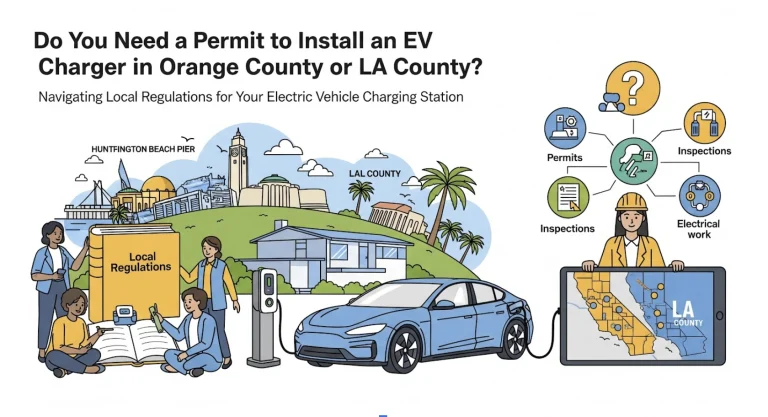
Many homeowners mistakenly believe wiring an EV charger themselves is enough. However, installing a dedicated 240-volt circuit is a significant electrical modification requiring permits from your local building department and subsequent inspections. These regulations ensure adherence to stringent safety codes like the National Electrical Code (NEC), protecting your property and residents.
Installing a dedicated 240-volt circuit for an EV charger is a significant modification, typically requiring permits from your local building department and inspections. These regulations ensure the installation adheres to stringent safety codes, such as the National Electrical Code (NEC), protecting you and your property. An unpermitted installation, like John’s, can be flagged during a home sale, costing more to rectify later and potentially voiding homeowner’s insurance in case of an incident.
How to Avoid This Mistake: Prioritize code compliance. Before any installation, consult your local building department or hire a licensed and reputable electrician familiar with local permitting requirements. A professional EV charger installer will handle the entire permitting process, ensuring the work is performed to code and passes all necessary inspections. This guarantees safety, protects your investment, and avoids legal or insurance complications.
3. Underestimating the Power Requirements of Your EV Charger and Your Vehicle
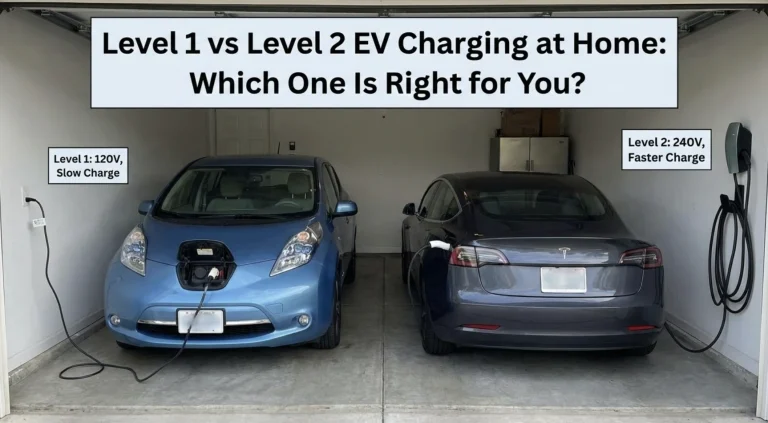
The world of EV chargers can be confusing. Homeowners often either underpower their setup, leading to slow charging, or over-specify a charger their vehicle or home can’t fully utilize. Level 1 chargers (120V) offer slow charging (2-5 miles/hour), while Level 2 chargers (240V) provide much faster rates (20-60 miles/hour).
Homeowners often underpower their home EV charging setup, leading to agonizingly slow charging, or over-specifying a charger that their vehicle or home electrical system can’t fully utilize. A Level 1 charger (120V) offers slow trickle charging. Level 2 chargers (240V) deliver much faster charging, adding 20-60 miles of range per hour. Many fail to consider their specific electric car’s onboard charger capabilities. For instance, if your EV accepts only 32 amps, an 80-amp EV supply equipment (EVSE) is an unnecessary expense.
How to Avoid This Mistake: Understand your EV’s charging capabilities and daily driving needs. Research your specific vehicle’s maximum AC charging rate. Then, work with your electrician to match the home EV charging station‘s output to both your vehicle’s capacity and your home’s electrical service. Install a Level 2 charger delivering 30-50 amps for most modern EVs, balancing fast charging and compatibility. This tailored approach optimizes your charging speed and prevents overspending.
4. Choosing the Wrong Location for Your EV Charger and Its Dedicated Outlet
The physical placement of your EV charger might seem minor, but it impacts convenience, safety, and longevity. A common mistake is installing the charger or its NEMA 14-50 outlet in an inconvenient spot, too far from the car, or exposed to harsh weather without protection. This causes issues like cable stretching, tripping hazards, or premature wear.
Incorrect placement of your EV charger or its dedicated outlet can significantly impact convenience and safety. Installing it too far from your typical parking spot or in an unprotected outdoor area are common errors. This leads to issues like constantly stretching the charging cable, creating tripping hazards, or exposing the EVSE unit to weather damage. For example, installing a charger on the wrong side of the garage for the car’s charging port can make parking awkward and dangerous.
How to Avoid This Mistake: Plan your EV charger location meticulously. Identify your primary parking spot and the exact location of your EV’s charging port. Measure the charging cable length to ensure it reaches comfortably without stretching. If installing outdoors, ensure the charger is rated for outdoor use and installed with appropriate weatherproofing. Discuss placement with your electrician, considering cable management and accessibility, and think about a hook or reel for tidiness.
5. Attempting a DIY EV Charger Installation Without Proper Electrical Expertise
While saving money on installation appeals, attempting DIY EV charger installation, especially for a Level 2 unit, is one of the most dangerous mistakes without proper electrical training. A Level 2 charger involves hazardous 240 volts and high amperage. Incorrect wiring can lead to electrocution, electrical fires, and damage to your EV.
Attempting a DIY EV charger installation, particularly for a Level 2 unit, is profoundly dangerous without proper electrical training. A Level 2 charger involves working with 240 volts and high amperage, far more hazardous than standard household wiring. Incorrect wiring can lead to severe consequences: electrocution, electrical fires, damage to your EV, and costly repairs. Many manufacturers’ warranties also require professional installation, which DIY efforts can void. David’s miswired circuit, for example, caused a fire hazard that required expensive emergency professional intervention.
How to Avoid This Mistake: Always hire a licensed and certified professional EV charger installer. Look for electricians with specific experience in EV charging station installations and knowledge of unique requirements and codes. They possess the expertise, tools, and insurance to perform the job safely and correctly, ensuring your EV charging infrastructure is reliable and compliant. Request proof of licensing, insurance, and references.
6. Failing to Future-Proof Your Home’s Charging Infrastructure for Evolving Needs
The electric vehicle landscape is evolving rapidly. A common mistake is installing an EV charger setup that only meets immediate needs, without considering future requirements. For instance, a lower-amperage Level 2 charger might be fine for your current EV, but inadequate if you upgrade to a larger battery or acquire a second EV later.
The EV landscape evolves quickly, with improving battery technology and increasing charging speeds. Homeowners often install a charging setup that only meets immediate needs, neglecting future requirements. For example, a lower-amperage Level 2 charger might suffice for your current EV, but could be inadequate for a future EV with a larger battery or higher onboard charging capacity, necessitating another costly upgrade. Overlooking smart EV charger features like load management or smart home integration is also a missed opportunity.
How to Avoid This Mistake: Think long-term. Even if your current EV doesn’t need the highest rate, consider installing a dedicated circuit with the maximum amperage your electrical panel can safely support (e.g., 50 or 60 amps for a NEMA 14-50 outlet), if the wiring cost difference is minimal. This allows for future upgrades without re-wiring. Explore smart EV chargers with Wi-Fi, scheduling, and load balancing for adaptability and potential utility programs.
7. Overlooking Essential Safety Features and Best Practices During Installation
Even with professional installation, homeowners sometimes overlook verifying critical safety features. This often stems from a lack of technical knowledge or blindly trusting the installer. Key components include proper grounding, GFCI protection, correct wiring gauge, and appropriate weatherproofing for outdoor installations.
Homeowners must ensure all critical safety features are implemented, even with professional installation. Key safety components include proper grounding, GFCI (Ground Fault Circuit Interrupter) protection, the correct gauge of wiring, and appropriate weatherproofing. An improperly grounded system poses severe electrocution risk, while lack of GFCI protection means a ground fault won’t trip the circuit, leading to shock or fire. The Miller family, for instance, experienced erratic breaker trips due to inadequate weatherproofing on their outdoor charger.
How to Avoid This Mistake: Educate yourself on basic EV charger safety and confirm with your installer. Ensure your electrician specifies a dedicated circuit with GFCI protection, especially for outdoor setups. Verify the wiring gauge is appropriate for the breaker size and charger’s amperage. For outdoor EV charging stations, confirm the unit is rated for outdoor use (e.g., NEMA 3R or 4X) and all connections are weatherproofed. A reputable professional will explain these details.
Expert Insights: Beyond the Basics of EV Charger Installation for Your Home
Once initial installation hurdles are cleared, additional insights enhance your home EV charging experience. This includes knowing the nuances of different charging levels, the benefits of smart charging, and what truly makes a professional installation stand out.
While Level 1 (120V) offers slow trickle charging, Level 2 (240V) is standard for daily use, significantly reducing charging times. Level 3 (DC Fast Charging) is generally for public stations, impractical for home due to high power needs. Smart EV chargers have revolutionized home charging. They connect via Wi-Fi for features like scheduling during off-peak utility hours to save money. Many offer load management to prevent electrical overloads by adjusting charging speed. Some integrate with solar systems, optimizing renewable energy use. This control saves money and optimizes energy, offering a modern home charging infrastructure.
When selecting a professional, look for electricians with specific certifications in EVSE installation. Ask for references and check reviews. A top-tier professional conducts a thorough site assessment, handles permits, uses high-quality materials, provides a warranty, and educates you on safe operation and maintenance.
Your Burning Questions Answered: EV Charger Installation FAQs
Navigating the world of home EV charging can bring up many questions, especially for non-technical readers and first-time EV owners. Here are five frequently asked questions to help clarify common concerns and provide clear, actionable answers.
1. Do I really need a dedicated circuit for an EV charger, even for Level 2?
Yes, absolutely. For any Level 2 EV charger, a dedicated circuit is a critical safety requirement. It provides an independent power supply, minimizing the risk of overloading circuits, tripping breakers, or causing electrical fires. This ensures stable power flow, optimizing charging efficiency and protecting your home’s electrical system. Running a Level 2 charger on a non-dedicated circuit is dangerous and against electrical codes.
2. How much does it typically cost to install a Level 2 EV charger at home?
The cost varies significantly, typically ranging from $800 to $2,500, excluding the charger itself ($400-$800+). This depends on electrical work complexity, distance from your panel to the charging location, whether an electrical panel upgrade is needed, and local labor rates. A simple installation is on the lower end, while complex work requiring upgrades or extensive wiring is higher. Always get multiple quotes from licensed electricians.
3. Can I use an extension cord for my EV charger to reach my car more easily?
No, you should never use a standard extension cord with an EV charger. EV chargers draw high, continuous current, and most extension cords aren’t designed for such sustained loads. Using an inappropriate cord leads to overheating, a serious fire hazard, and can damage your charger and vehicle. Only use an extension cord if specifically rated for EV charging (rare and expensive), though direct wiring or proper relocation of the charger is always safest and most efficient.
4. How long does the professional EV charger installation process usually take?
For a straightforward installation where your electrical panel has adequate capacity and is close to the charging location, a professional Level 2 EV charger installation typically takes 2 to 4 hours. If it requires an electrical panel upgrade, significant wiring runs, or complex trenching for outdoor installations, it could extend to a full day or multiple days. This doesn’t include permit acquisition time, which can add days to weeks.
5. What’s the main difference between a hardwired and a plug-in EV charger, and which is better?
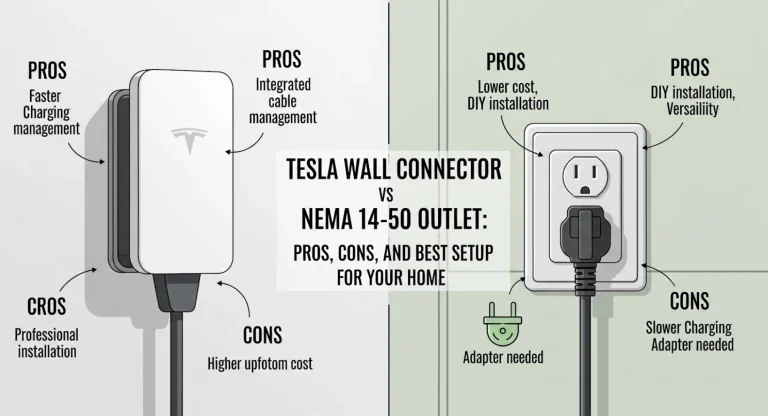
The main difference is connection type. A plug-in EV charger connects to a dedicated 240-volt outlet (e.g., a NEMA 14-50 receptacle), offering portability. A hardwired charger is permanently wired directly into your home’s electrical system, often allowing for slightly higher amperage capacities (e.g., 60-80 amps) than most plug-in units (often limited to 50 amps). Neither is inherently “better”; it depends on portability needs vs. higher power output and a permanent aesthetic. Both require a dedicated circuit and professional installation.
Powering Forward: Your Path to Seamless EV Charging at Home
Embracing electric vehicle ownership is a commitment to a cleaner future and a more convenient driving experience. A reliable, safe, and efficient home EV charging setup is the cornerstone of this. By avoiding these common installation mistakes, you save money, prevent headaches, and ensure your charging infrastructure serves you optimally for years. Prioritizing safety and future-proofing empowers you with peace of mind and maximizes your EV investment. Consult licensed electricians specializing in EV charger installations to transform your home into a seamless EV charging hub.